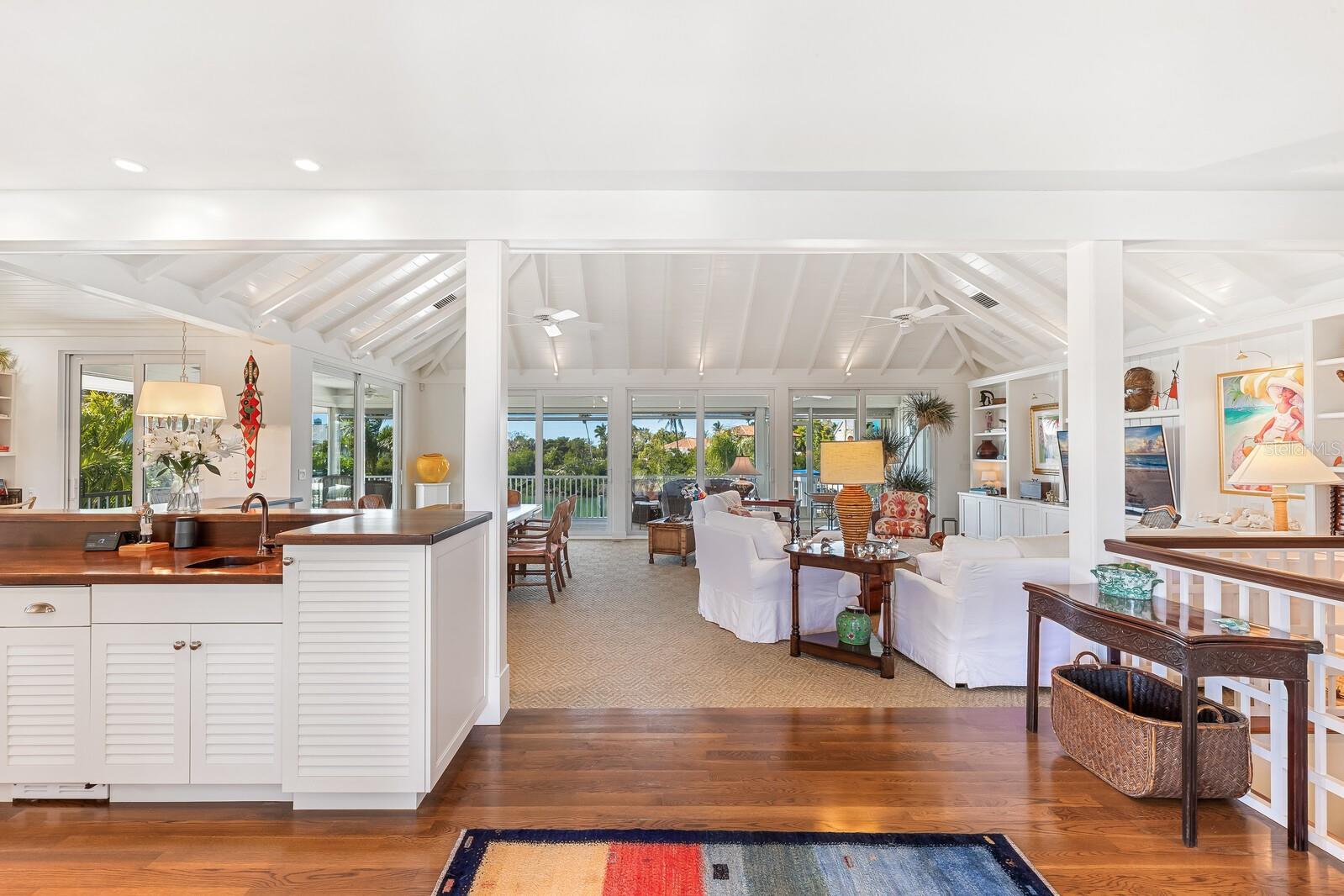
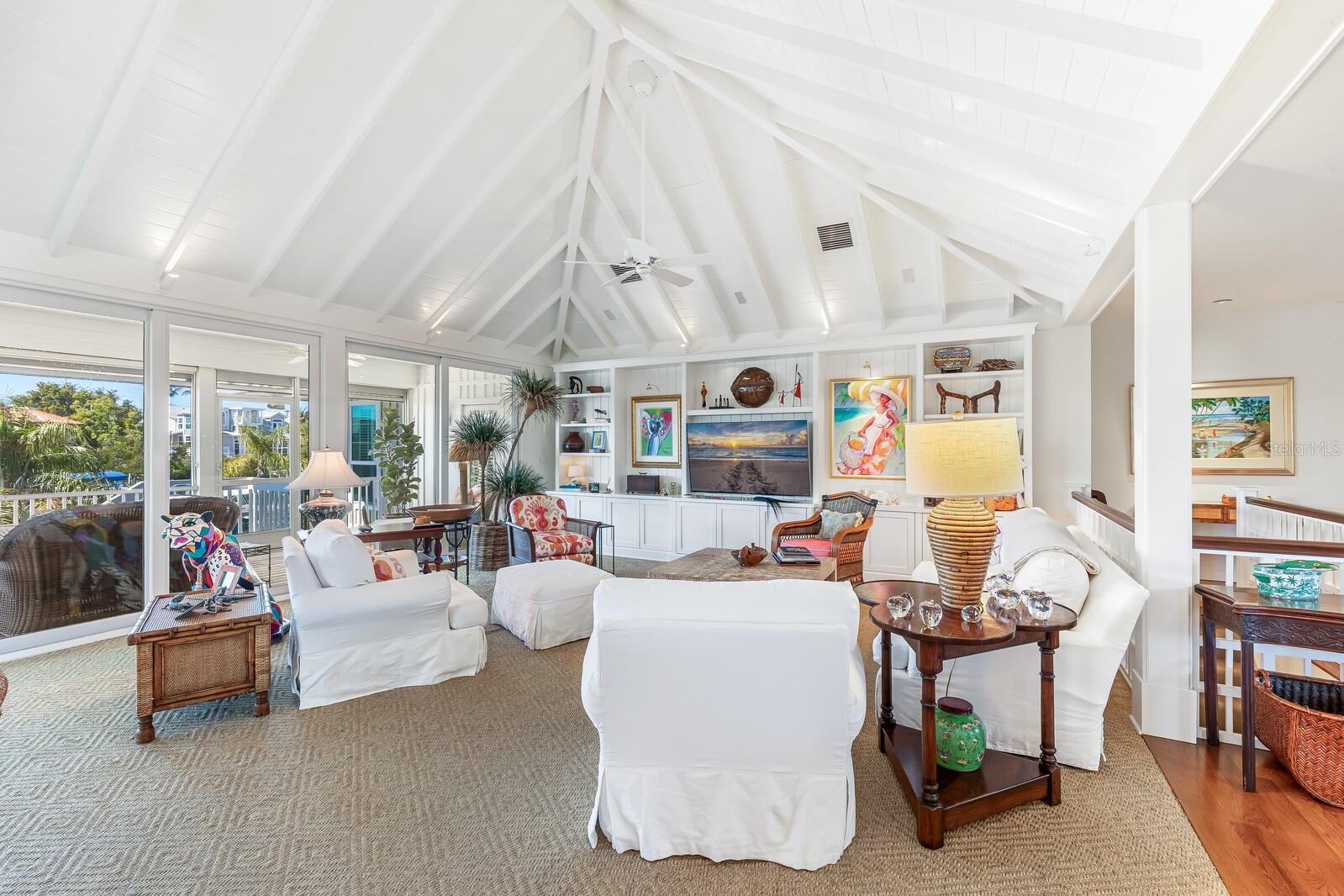
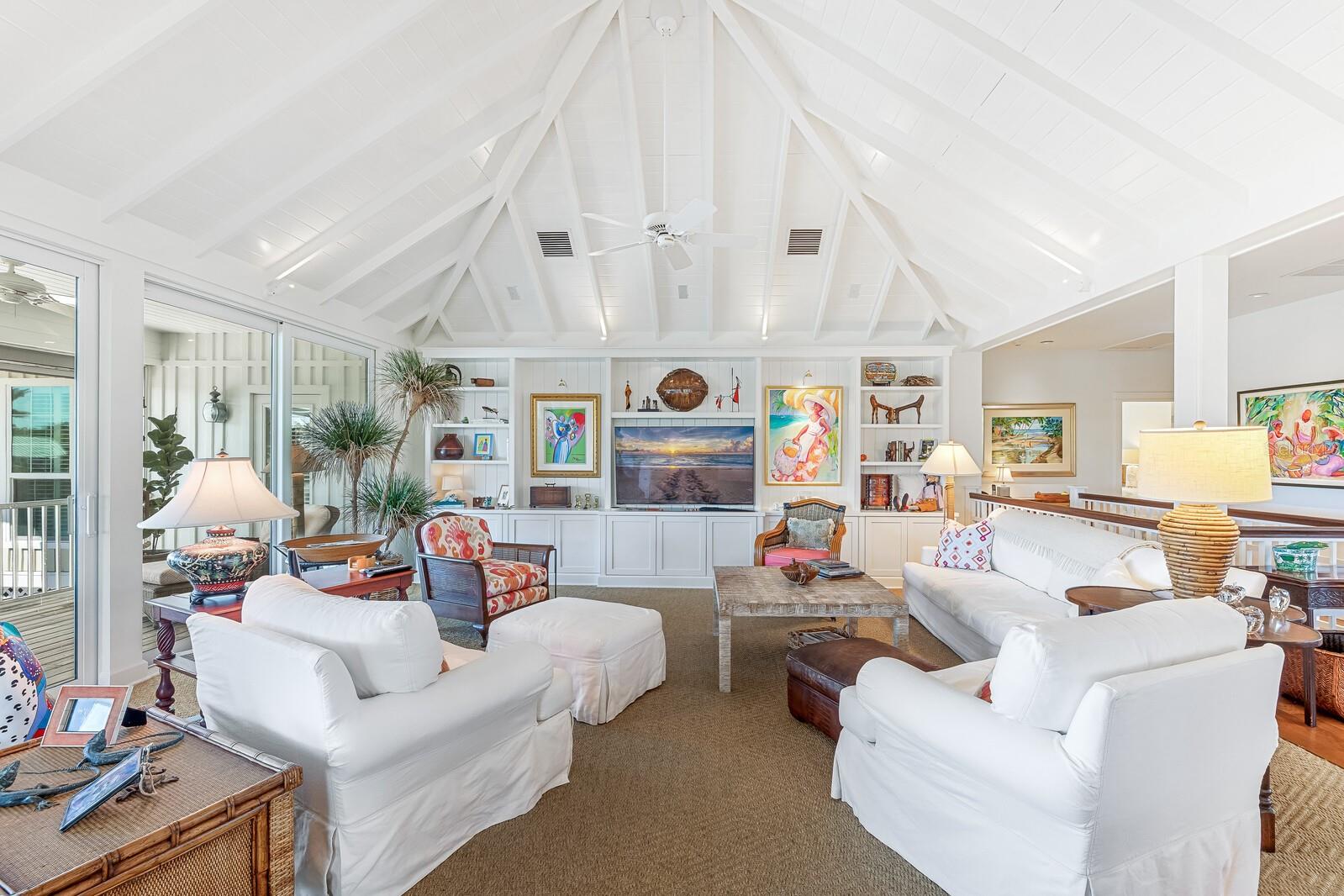
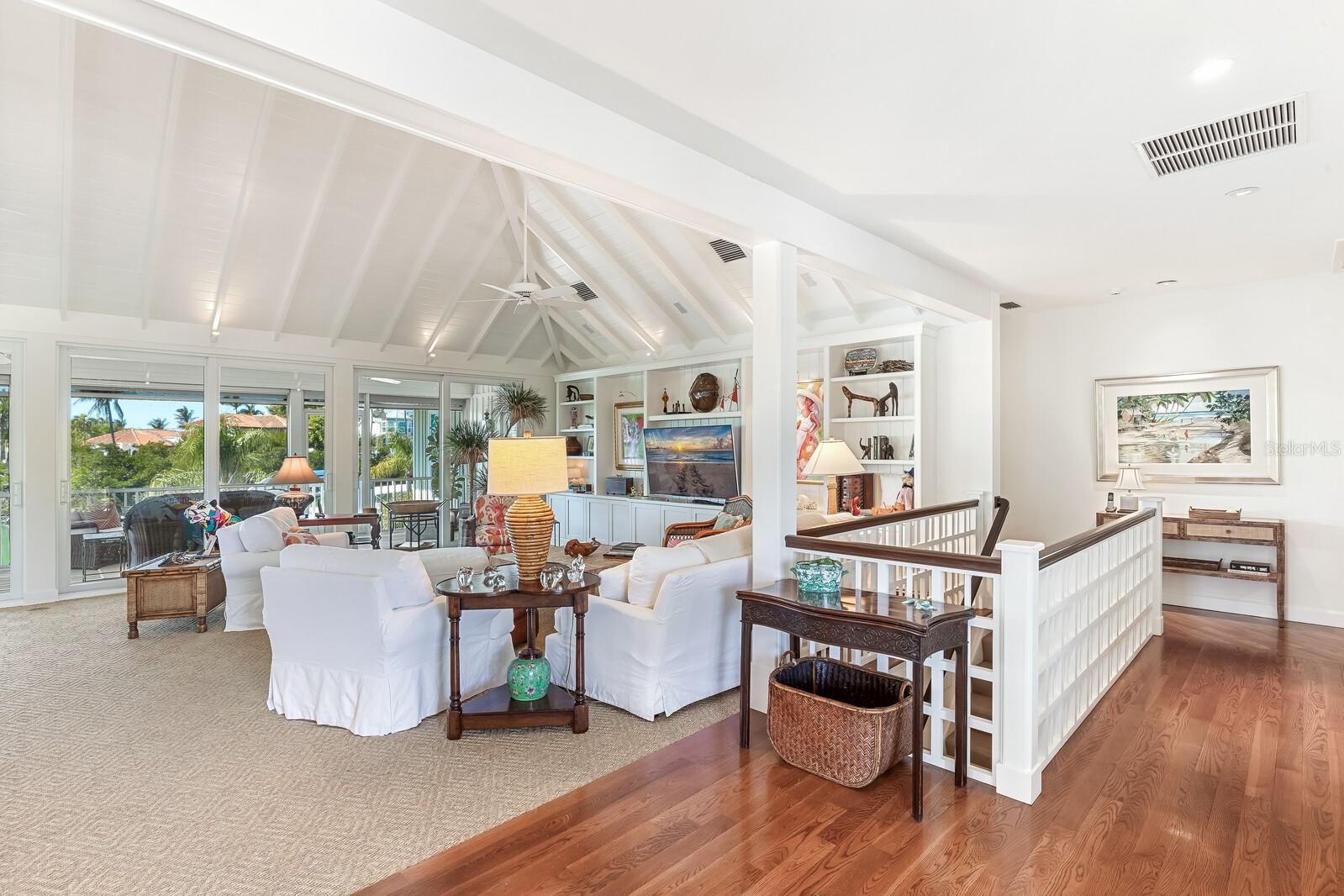
Welcome to Boca Grande, FL
Boca Grande is unlike anywhere else on Florida's Gulf Coast, and the people who know it best will tell you that is entirely by design. Situated on the southern tip of Gasparilla Island, this is a community that has quietly, methodically, and sometimes fiercely resisted every force that has erased Old Florida from the rest of the state. There are no high-rises here, no chain restaurants, no neon signs competing for your attention. What you find instead is a narrow strip of barrier island where golf carts outnumber cars, where century-old banyan trees canopy the bike path, and where the names DuPont, Rockefeller, and Bush are part of the social fabric rather than just history.
For guests who have experienced the Gasparilla Inn, the allure is immediately legible. The Inn is the gravitational center of the island's social and cultural life, and for generations it has functioned as the gateway drug for second-home ownership here. First-time visitors come for a long weekend, discover the tarpon fishing, the Gulf sunsets, the Beach Club, the Gaspartini cocktail at sunset, and the particular silence that only an intentionally isolated island can offer. They leave wondering how quickly they can get back and whether they can make it permanent. That transition, from Inn guest to second-home owner, is the defining arc of Boca Grande's luxury real estate market.
The island operates at a pace that money cannot fully replicate elsewhere. Wealth here is understated to the point of invisibility. A billionaire and a local charter captain share the same bike path, wave at each other from their golf carts, and hold the same position on the preservation of the island's 19th-century aesthetic. That shared ethos is the real product Boca Grande is selling, and at the $5 million and above price point, it is exactly what discerning buyers are paying for.
How Did Boca Grande Develop?
The story of Boca Grande is one of the more improbable origin stories in Florida real estate — a place that was first valued for industrial muscle and only later discovered to be something far rarer.
Long before the first wealthy families arrived, the Calusa Indians inhabited the island and the surrounding waterways, living off the extraordinary marine abundance that the deep-water pass provided. Spanish fishermen followed, recognizing the same resource and giving the pass its name: Boca Grande, meaning "Big Mouth," a reference to the deep, wide channel that made the southern tip of the island one of the most navigable natural passes on Florida's Gulf Coast.
That deep channel is what triggered the island's industrial era. In the late 1800s, phosphate was discovered in massive quantities in the interior of Charlotte County, and because Boca Grande Passoffered one of the deepest natural draft channels in all of Florida, the island became the logical shipping terminus. The Charlotte Harbor and Northern Railway was completed in 1907, threading through the mangroves and palmetto scrub to connect the phosphate mines to the deep-water port at the island's southern tip. For a brief but consequential period, Boca Grande was a working industrial port town, complete with workers' cottages, a freight depot, and the unglamorous machinery of commodity shipping.
What the phosphate barons and shipping magnates discovered, almost accidentally, was that the island they had built their infrastructure on was also a paradise. The Gasparilla Inn opened in 1913, and the families who came to oversee shipping operations began to linger. The DuPonts came. The Rockefellers followed. The Bushes would come later. Each family recognized what the island offered at its core: complete privacy, extraordinary natural beauty, world-class fishing, and a social culture that rewarded discretion over display.
By the 1970s, phosphate shipping had ceased entirely, and the island completed its transformation into an elite residential and seasonal destination. But the physical evidence of that industrial past is what gives Boca Grande its architectural character. The workers' cottages became charming historic residences. The freight depot became the Loose Caboose restaurant. The rail bed became Florida's first rail-to-trail project, now the beloved 6.5-mile Boca Grande Bike Path. The industrial bones of the island became its most distinctive aesthetic asset.
Strict building codes and the Gasparilla Island Conservation District Act have ensured that the development pattern frozen in place decades ago remains largely intact today. The "condo-fication" and high-rise sprawl that overtook nearly every other desirable stretch of Florida's coastline simply never happened here, and the local culture treats that outcome as the community's highest collective achievement.
Where Is Boca Grande Located?
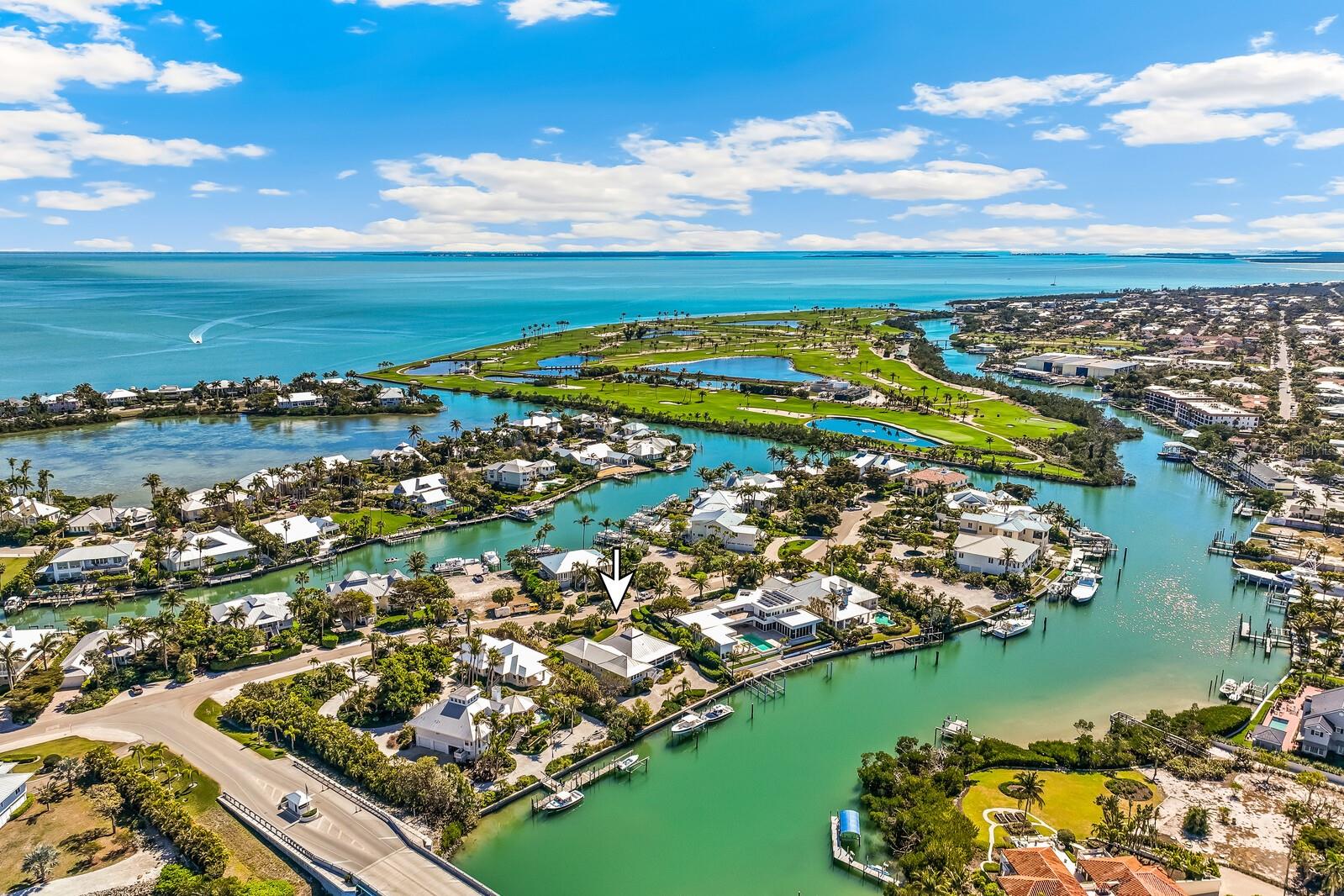
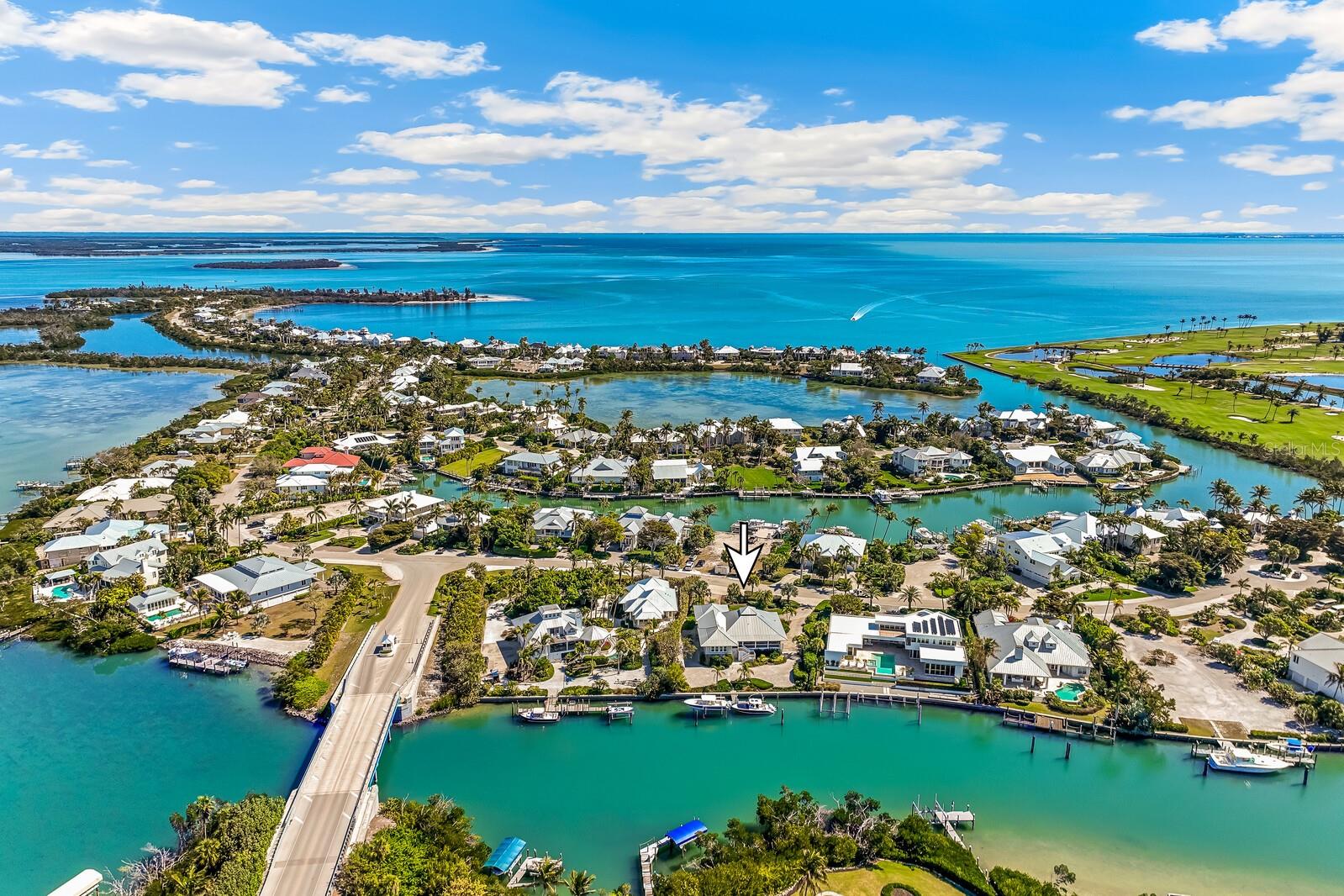
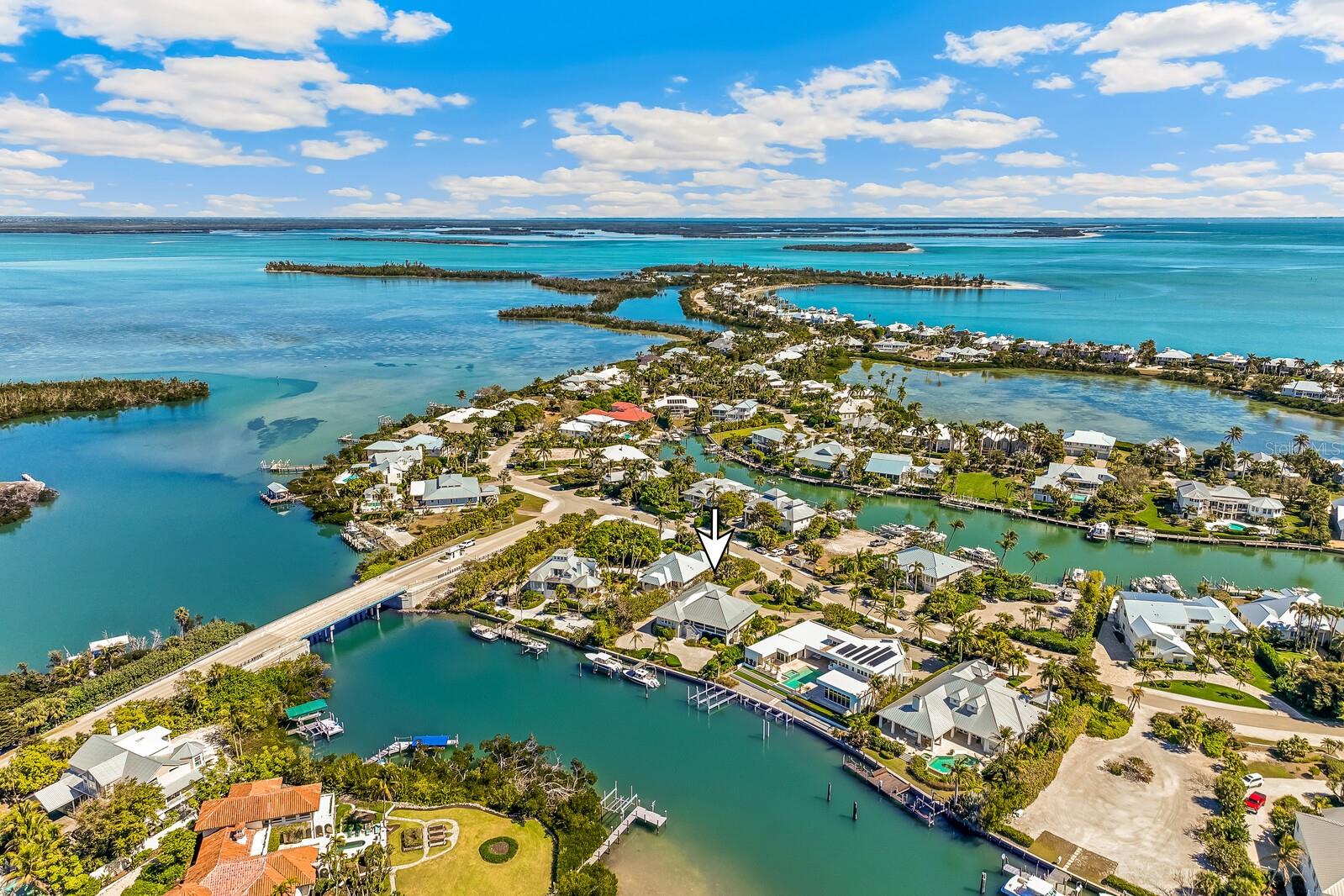
Boca Grande occupies the southern half of Gasparilla Island, a narrow barrier island positioned along Florida's southwest Gulf Coast in Lee and Charlotte counties. The island sits at a geographic sweet spot: roughly 90 minutes south of Sarasota and 75 minutes north of Fort Myers, placing it within comfortable reach of two major commercial airports while remaining genuinely removed from the congestion and development corridors that define both cities.
Access is deliberately singular. There is only one way onto the island by vehicle, and that is the Gasparilla Causeway (County Road 771), a toll bridge that crosses Charlotte Harbor from the Placida area on the mainland. That single point of entry is not a design flaw but a feature. It is part of what maintains the island's character and ensures that every person who arrives has made a deliberate decision to be there.
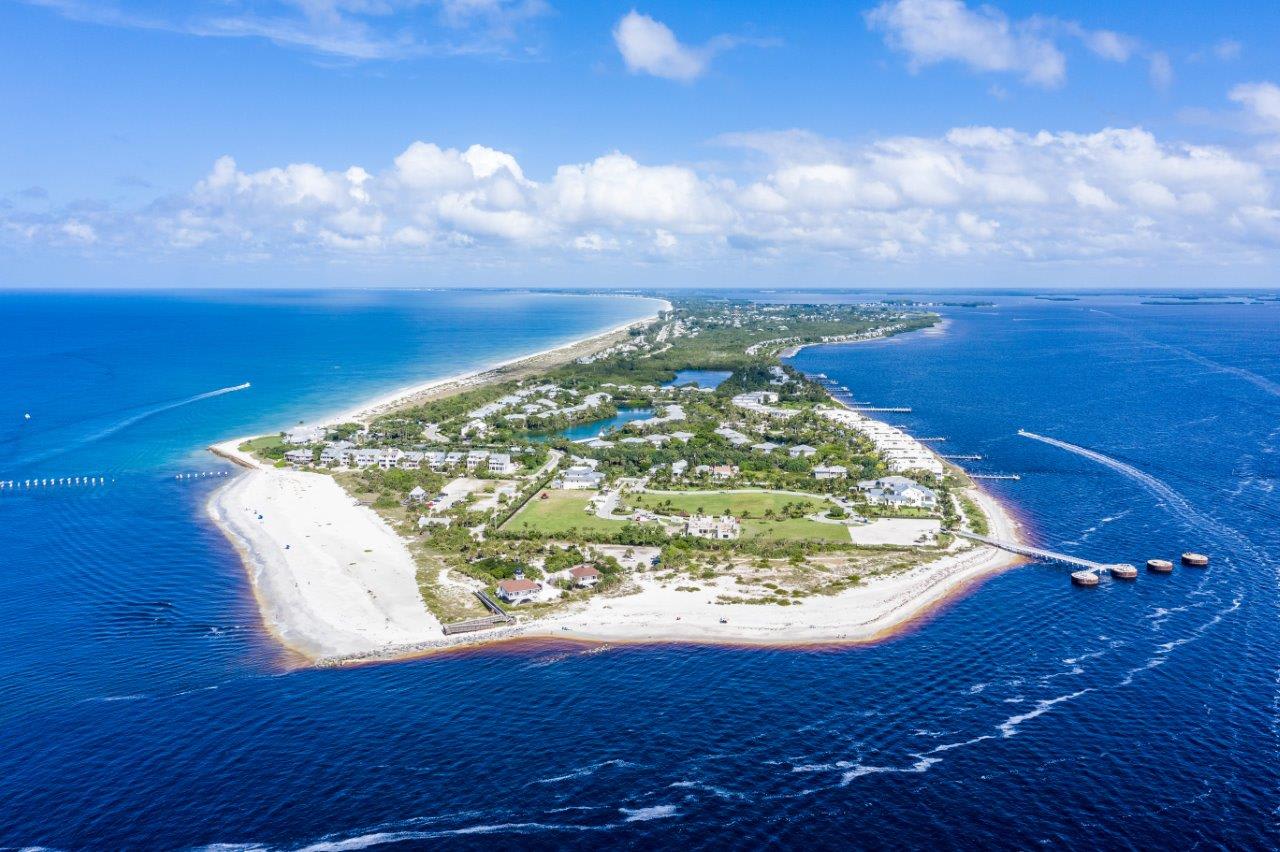
Geographically, the island is defined by the interplay of three distinct bodies of water. To the west, the Gulf of Mexico delivers miles of sugar-white sand beaches along the full length of the island's gulf-facing shore, backed by sea grapes, coconut palms, and the deep shade of banyan canopies. To the east, Charlotte Harbor, one of the largest estuaries in Florida, creates a rich, protected boating environment with extensive shoal-water fishing, kayaking, and marina access. At the southern tip, the Boca Grande Pass itself — a deep, swift-running channel separating Gasparilla Island from Cayo Costa — functions as the ecological and cultural epicenter of the island. It is in and around that pass where the world's largest concentrations of Atlantic tarpon gather each spring and summer, a fact that has shaped the island's identity as comprehensively as any architectural code or conservation ordinance.
The northern end of the island transitions into the Gasparilla Island State Park, a preserved wilderness of Gulf-front beach, sea oats, and scrub habitat that prevents any northward residential expansion and ensures the island retains its wild edge. The southern tip, anchored by the Port Boca Grande Lighthouse, contains the state park's most-visited beach access points and frames the Pass with the kind of scenery that makes first-time visitors understand immediately why people spend millions to wake up here.
What's the Housing Market Like?
As of early 2026, the Boca Grande luxury market has transitioned decisively out of the frantic, compressed post-pandemic era and into a phase that experienced buyers should actually find more appealing: a deliberate, high-value environment where preparation and patience are rewarded.
The frenzy is over. The "buy anything at any price before someone else does" mentality that characterized 2021 and 2022 has been replaced by something more rational. Homes that were priced on the assumption that those peak conditions would persist indefinitely are sitting on the market and accumulating price reductions. Homes that are correctly priced, properly insured, and positioned to appeal to the island's actual buyer profile are still moving. That distinction matters enormously in a market where the buyer pool is small, sophisticated, and unhurried.
Typical home values across the island range from approximately $2.6 million to $3.0 million as a broad median, but that number is nearly meaningless for buyers focused on the luxury tier. Gulf-front estates along Gulf Boulevard routinely trade in the $10 million to $30 million range. Properties in the Hill Tide Estates enclave, with their direct frontage on Boca Grande Pass and panoramic views of the lighthouse and open Gulf, represent some of the most distinctive and sought-after real estate in the state. Bay-side properties with private dock access and Charlotte Harbor frontage occupy a strong mid-luxury tier, typically in the $3 million to $8 million range depending on lot depth, dock configuration, and Gulf proximity.
Inventory has expanded significantly, with roughly 70 to 80 active listings on the island at any given time, up dramatically from the near-zero availability of the pandemic peak. Days on market have stretched to 60 to 90 days for well-priced properties, and significantly longer for estates in the $10 million-plus tier where the qualified buyer pool is measured in dozens rather than hundreds. The sale-to-list ratio has settled around 92 to 93 percent, meaning buyers with solid preparation are successfully negotiating roughly 7 percent off asking price. Appreciation forecasts for 2026 are modest, projecting 1 to 2 percent annual growth, which signals a healthy normalization rather than any structural weakness.
For buyers coming out of the Gasparilla Inn experience, the critical insight is that the window of negotiating leverage currently open on this island is unusual. Properties that would have received multiple competing offers with no contingencies two years ago are now being sold with proper due diligence periods, inspection contingencies, and meaningful price negotiations. That leverage will not last indefinitely.
What Types of Homes Are Available?
The housing stock on Boca Grande is a direct expression of its history and its zoning philosophy. There are no cookie-cutter subdivisions, no tower condominiums, and no developer-built tract homes. Every category of property here carries some imprint of the island's architectural character and conservation ethos.
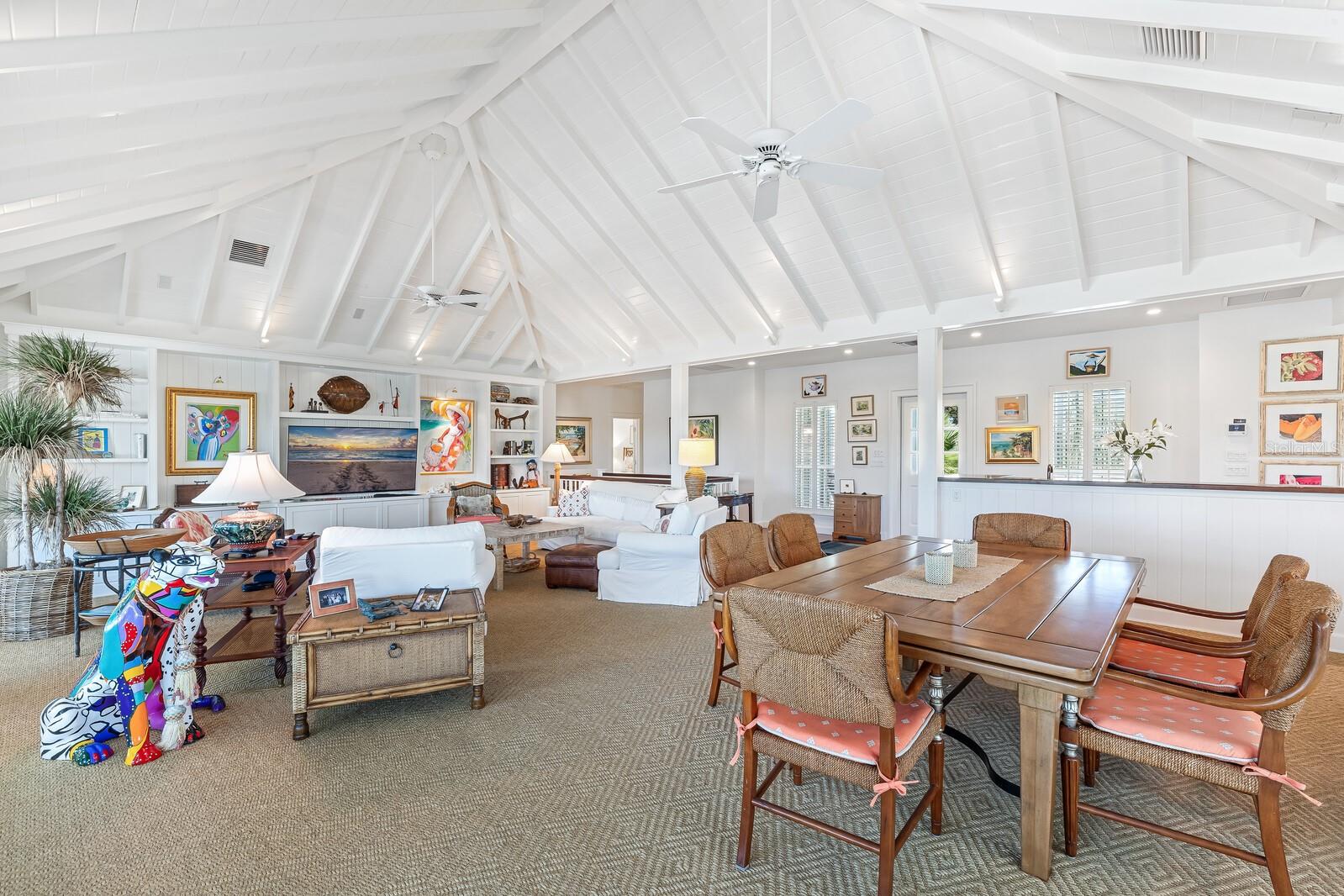
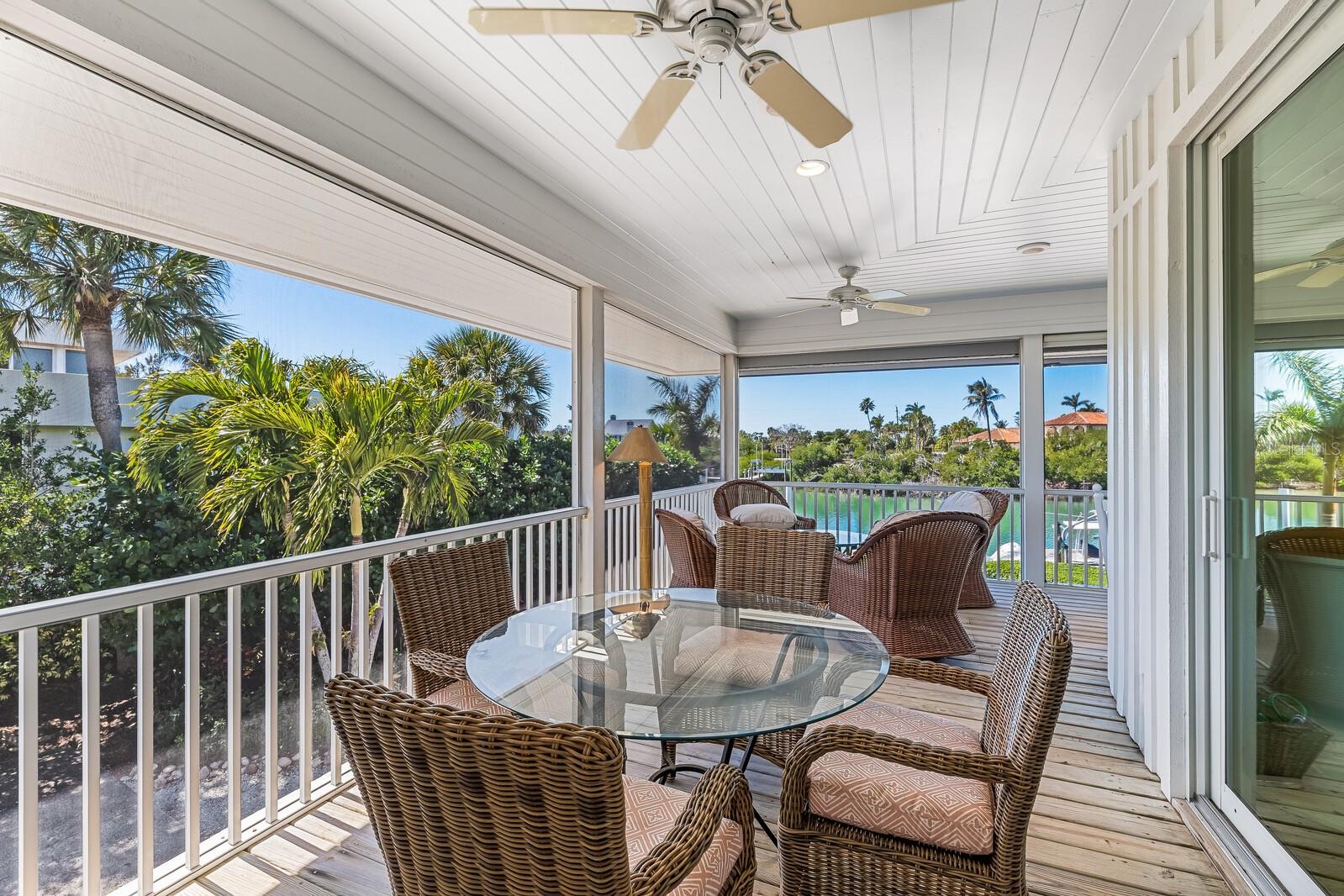
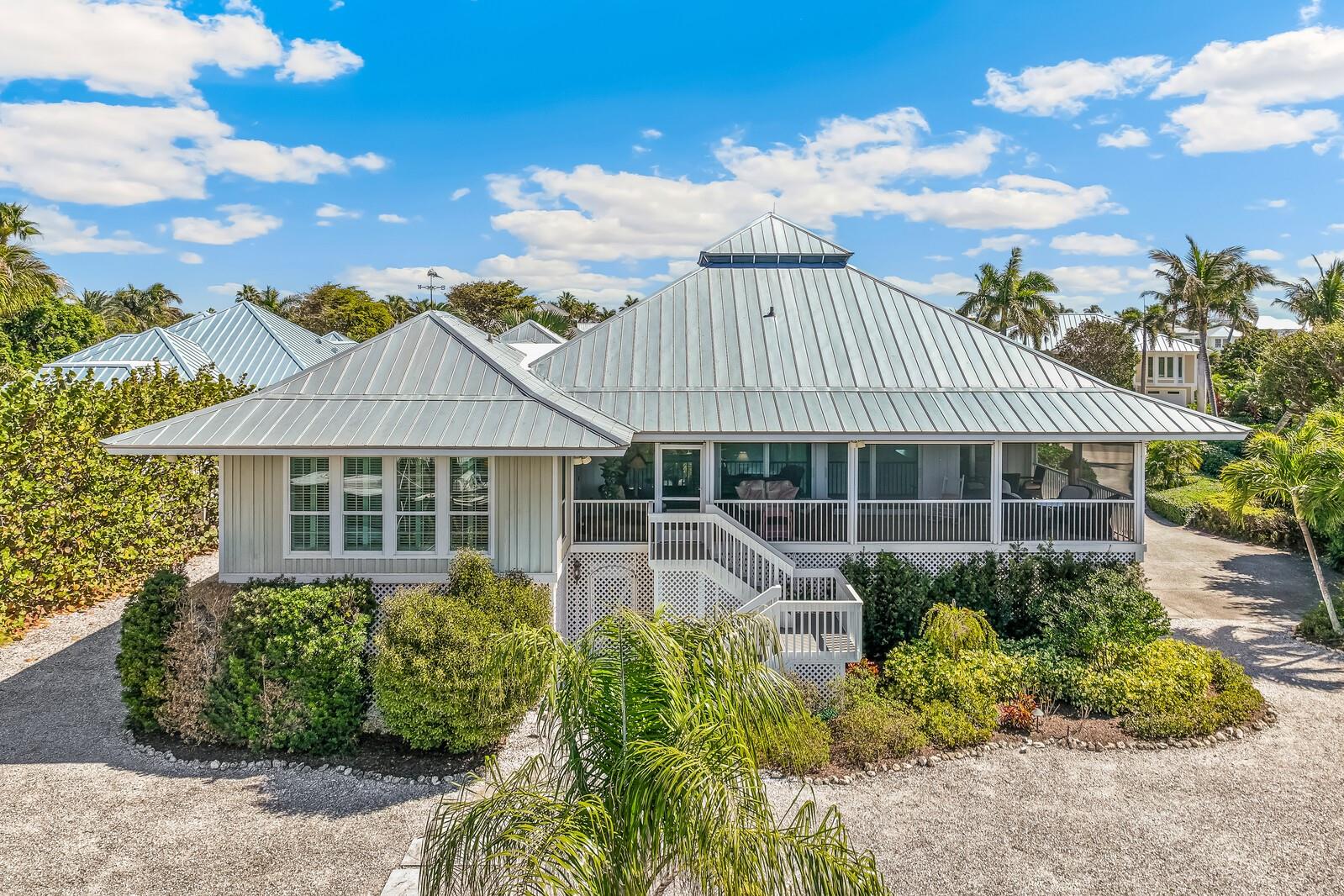
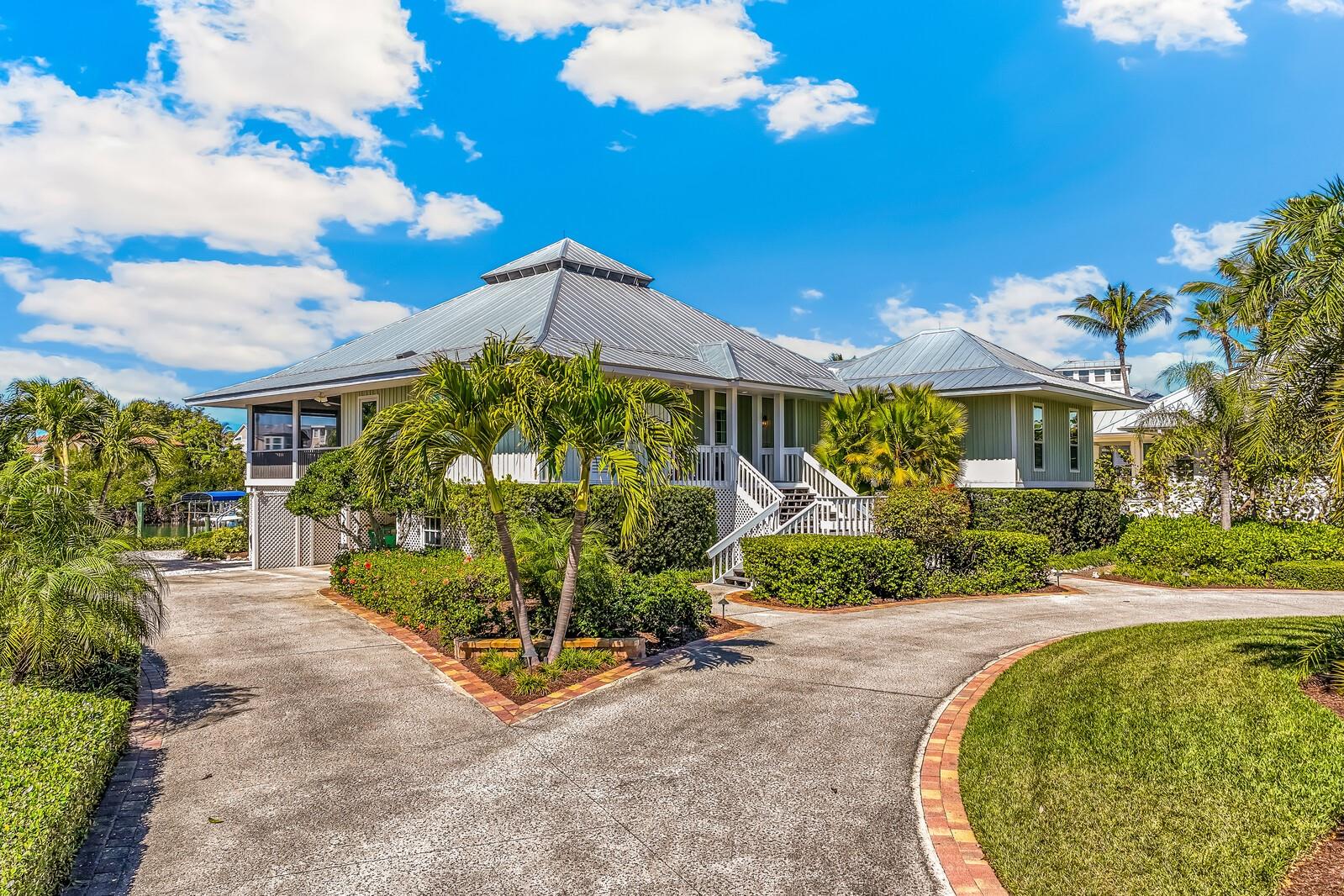
Gulf-front estates represent the pinnacle of the market and the aspiration of virtually every serious buyer. These are typically large-format Mediterranean Revival, West Indies, or updated coastal vernacular structures positioned along Gulf Boulevard with direct beach access and unobstructed Gulf of Mexico views. Properties at this tier are priced from roughly $10 million to $30 million and above, with the most significant recent sales involving custom estates built on elevated foundations with impact-rated construction, expansive screened outdoor living spaces, private pools, and deeded beach access. These properties are finite in supply and generational in tenure; when one becomes available, the qualified buyer community takes notice immediately.
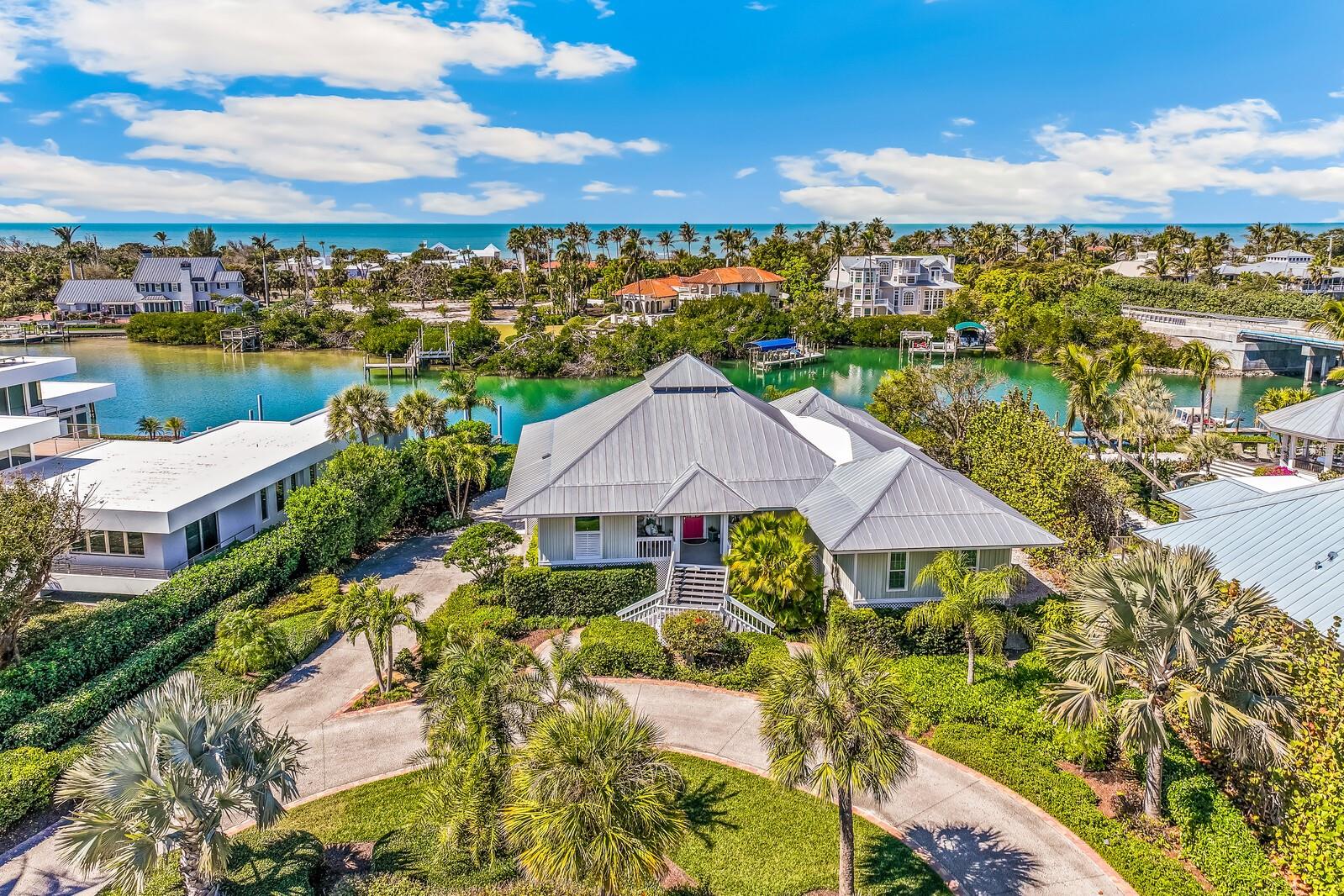
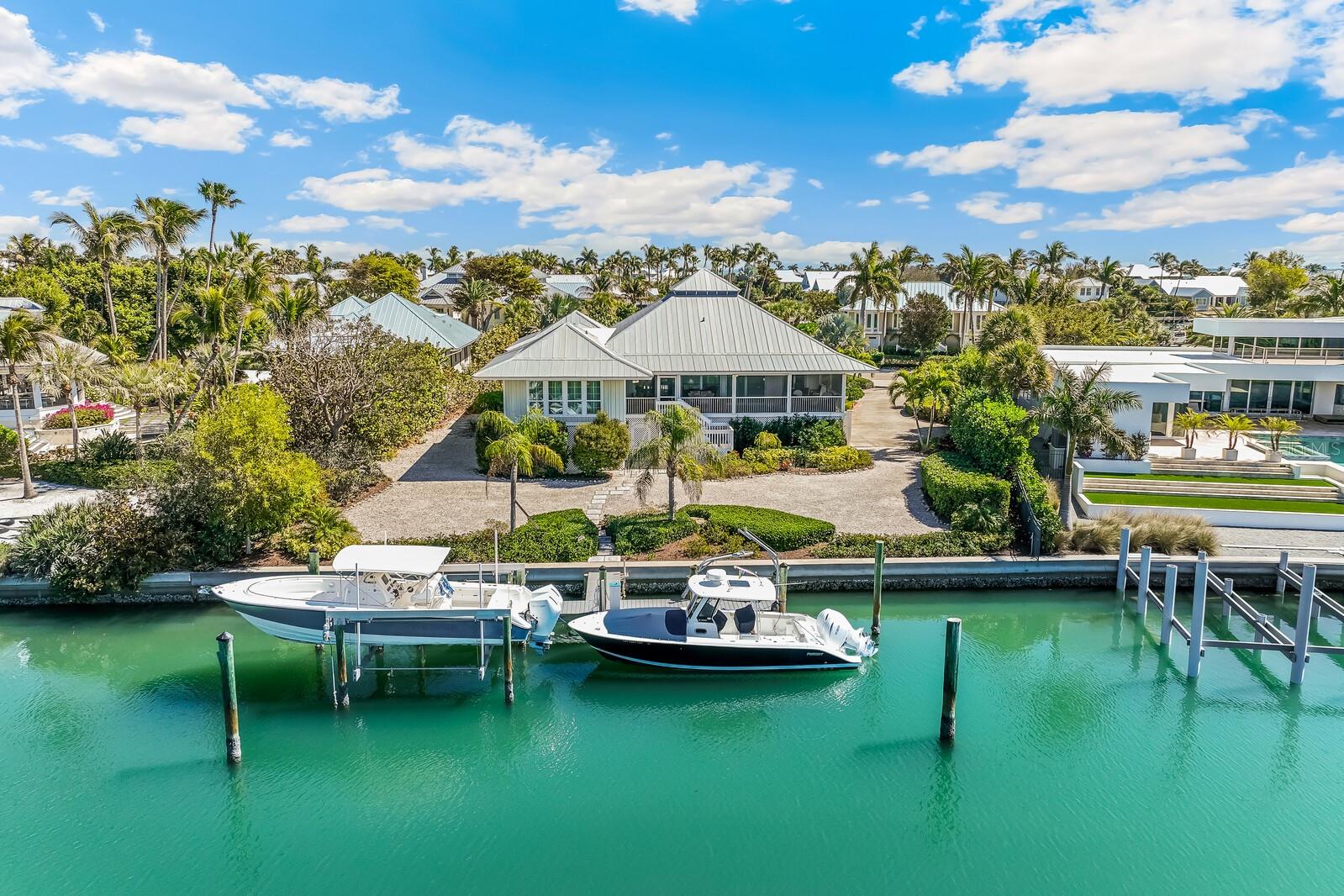
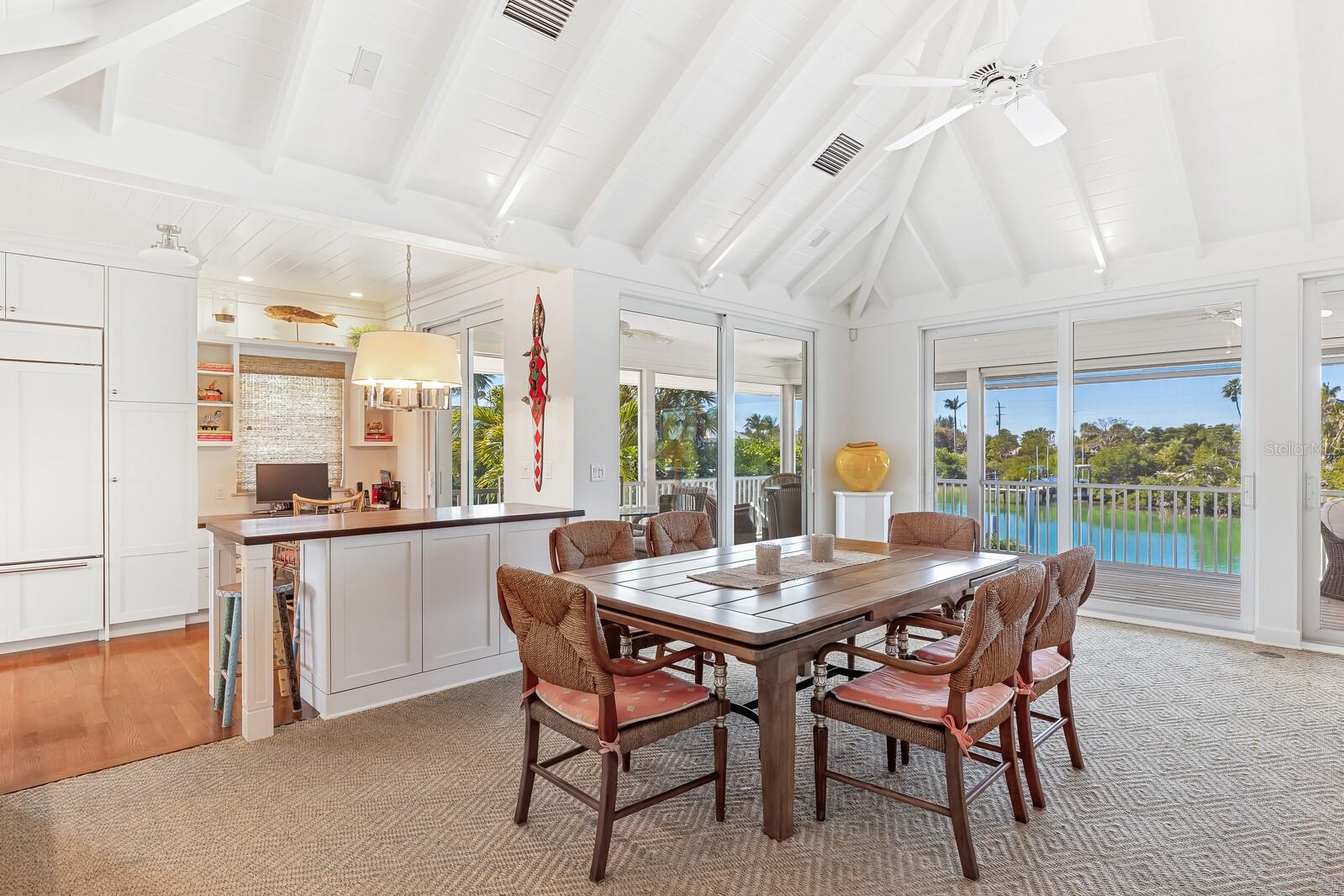
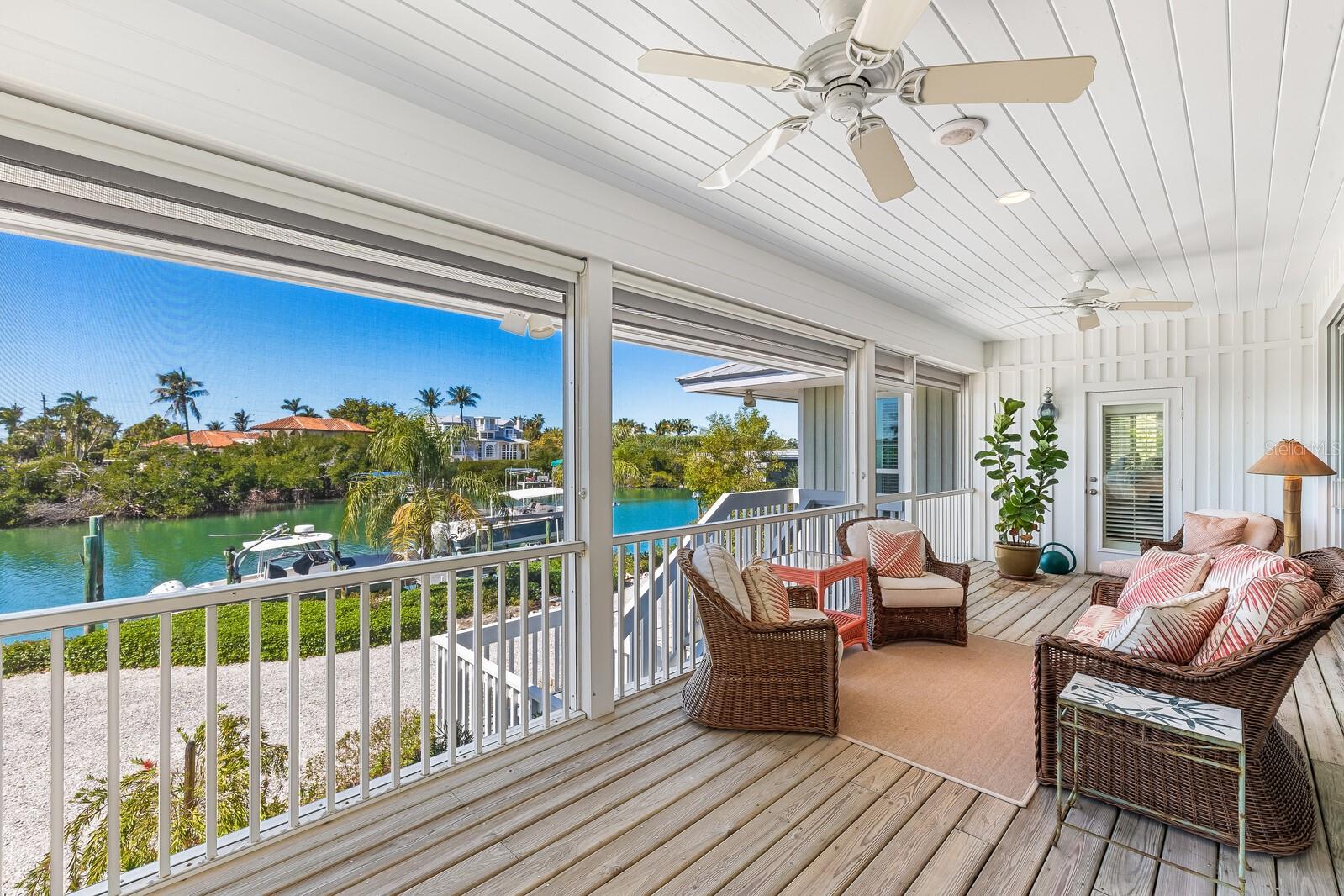
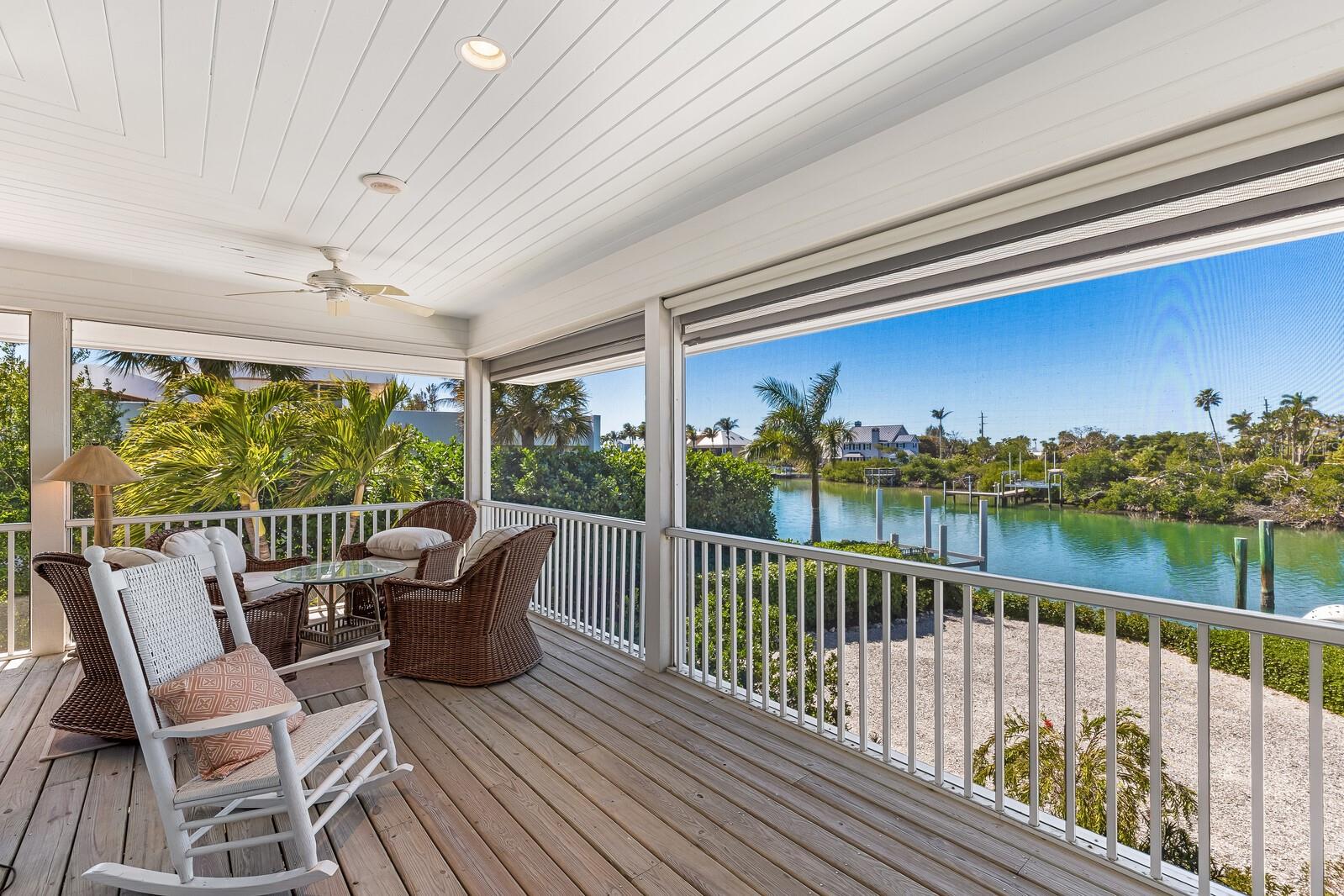
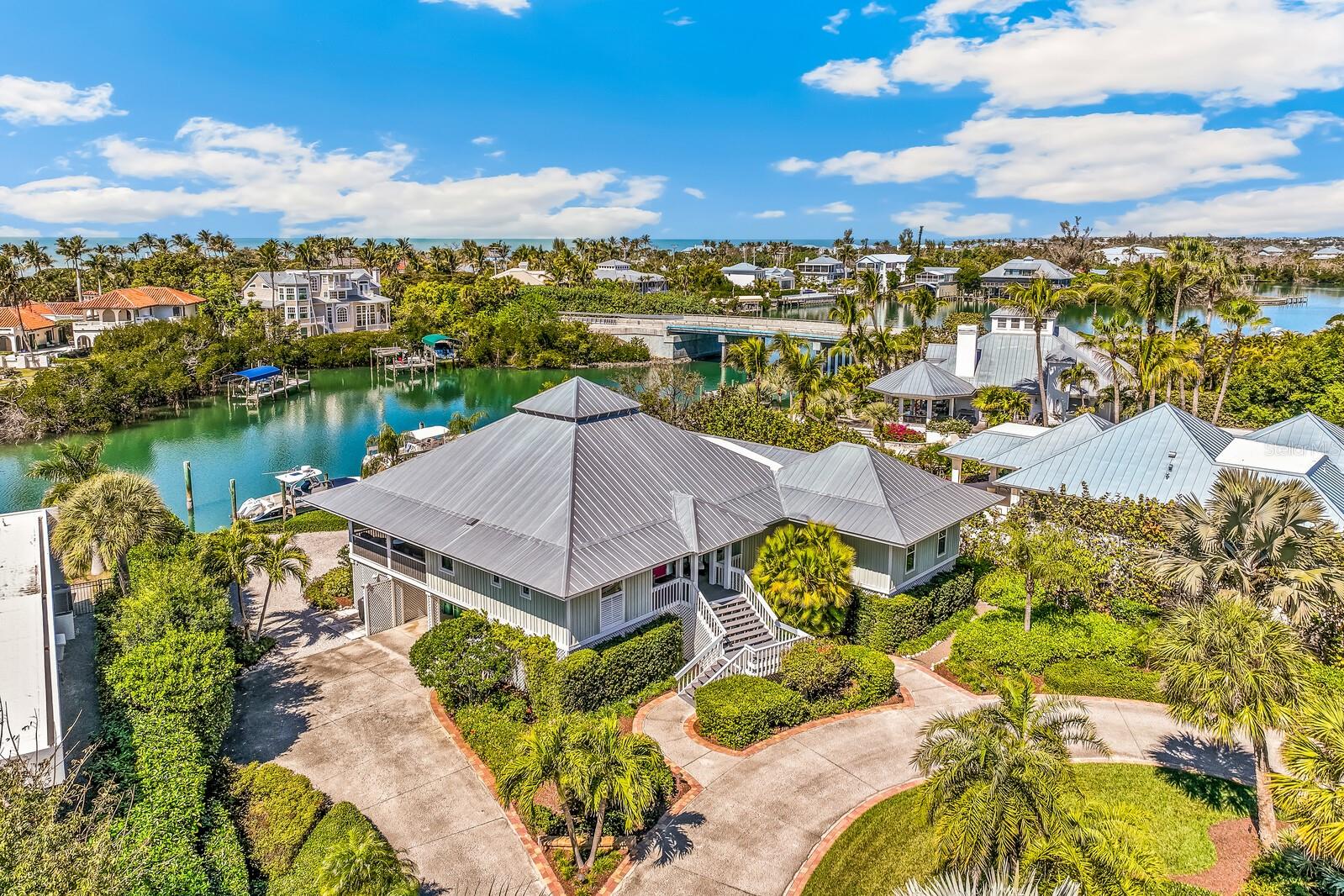
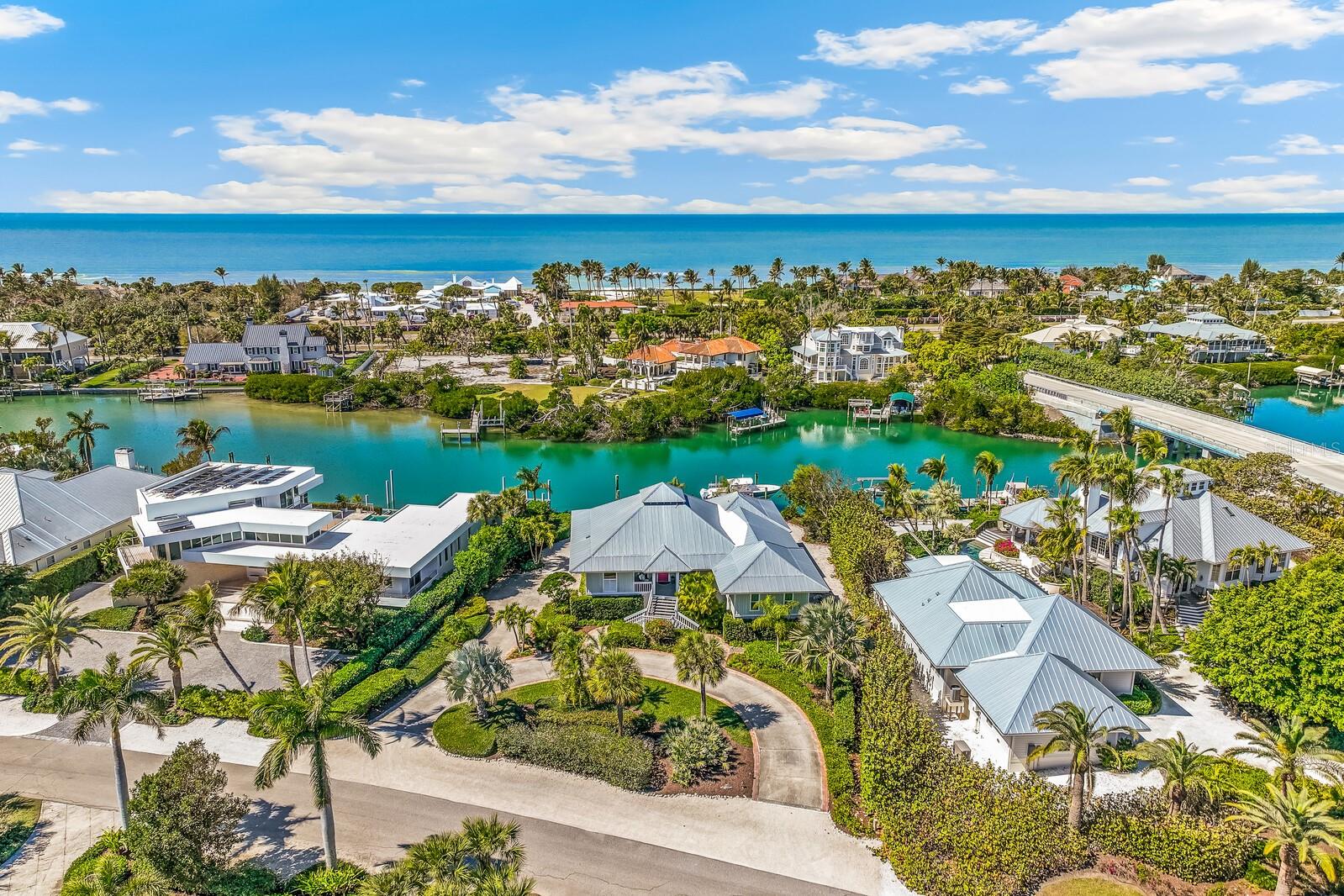
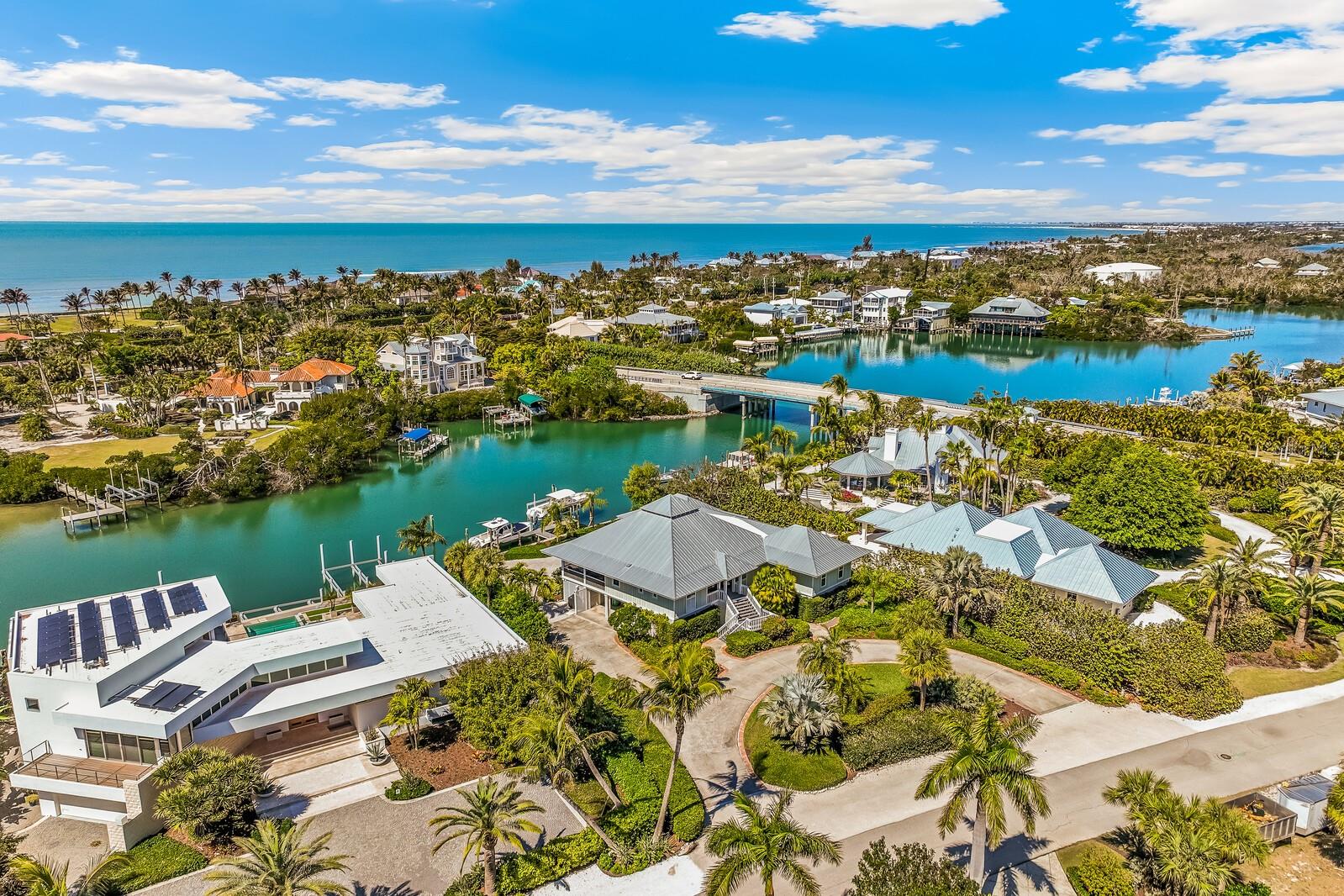
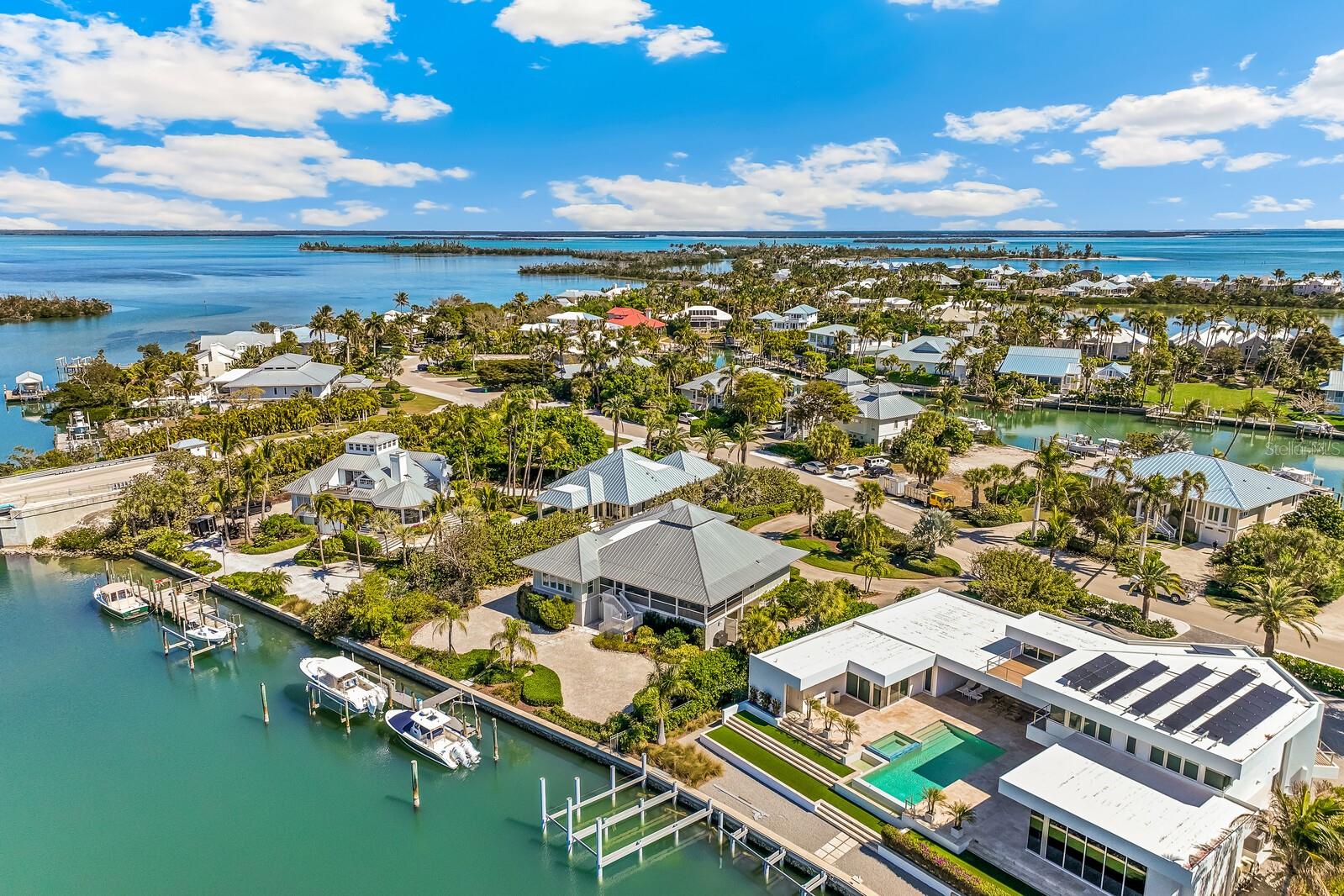
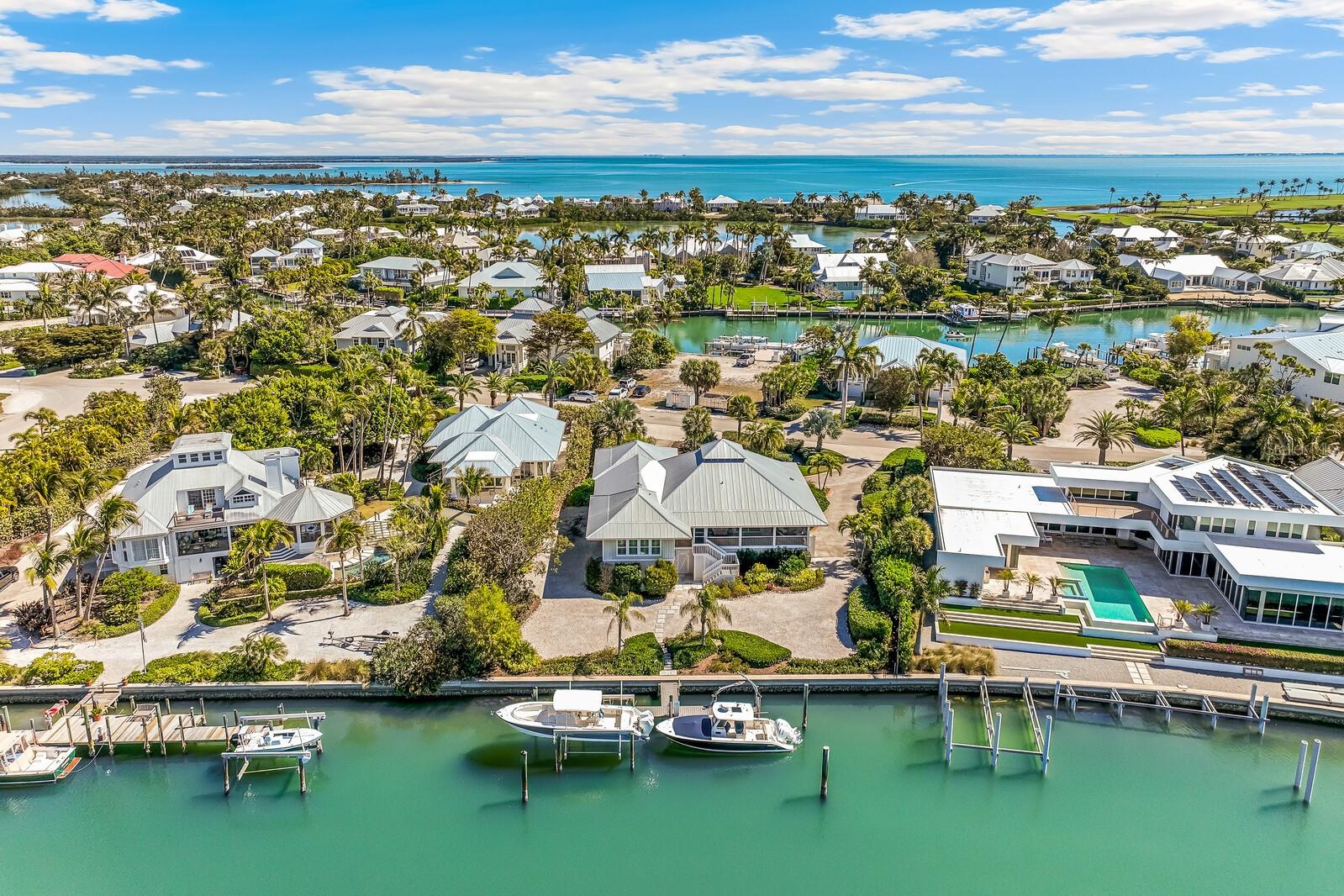
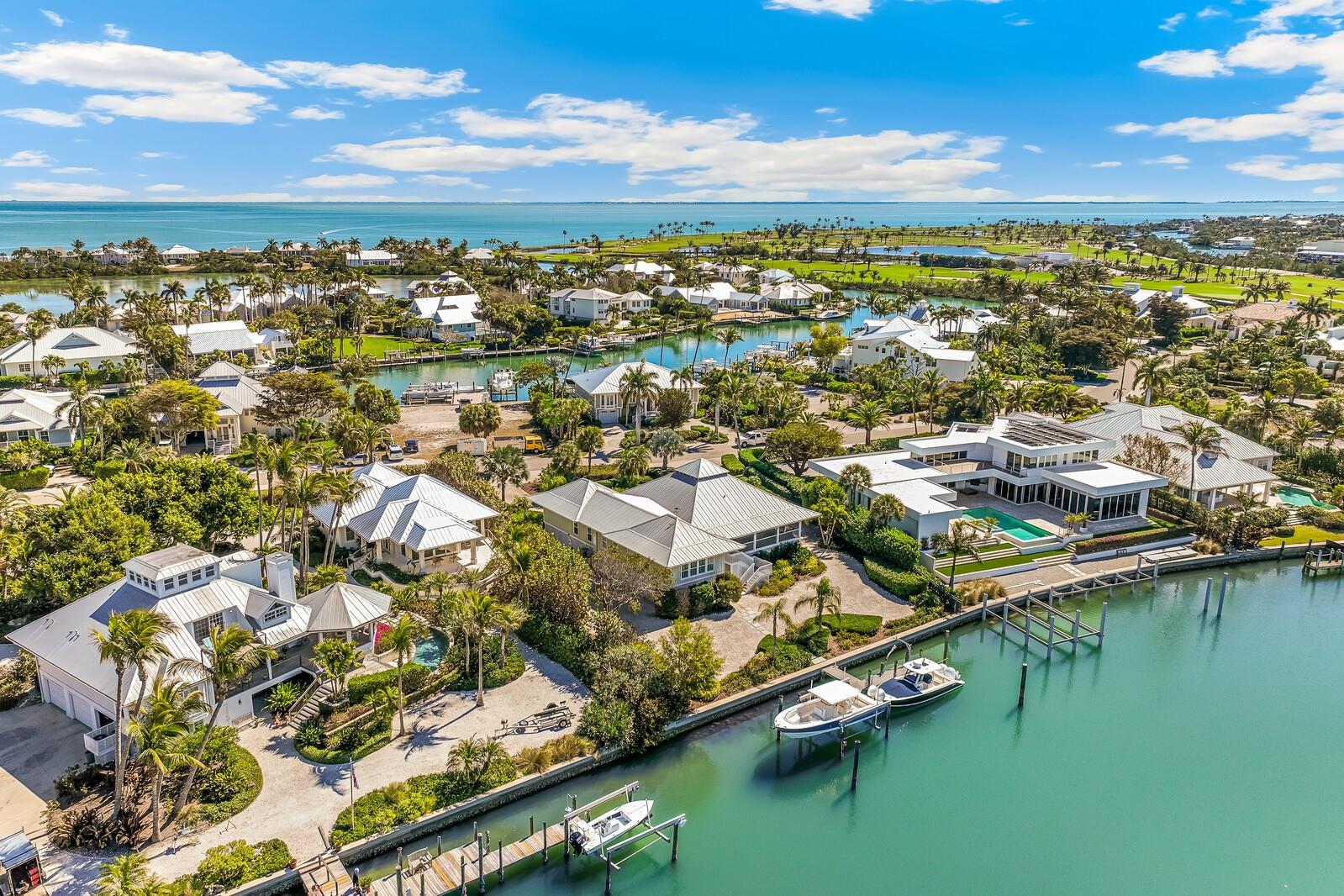
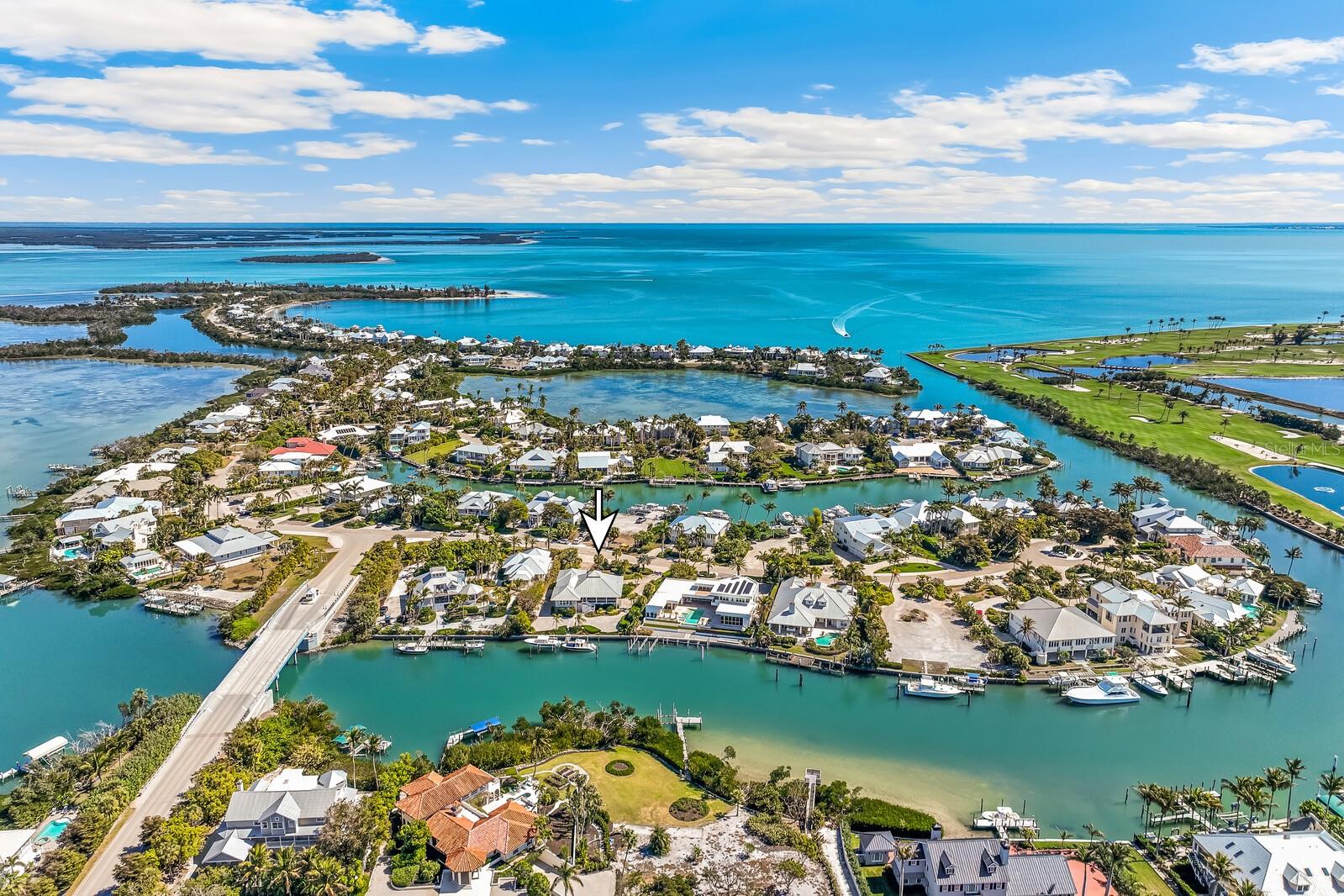
Bay-side and canal properties offer a different but equally compelling luxury proposition. Eastern-facing homes on Charlotte Harbor or along the island's interior canals prioritize boating utility above all else. These properties typically feature private deep-water docks, covered boat lifts, and direct access to some of the finest backcountry and open-water fishing in Florida. For the buyer whose primary identity is angler or cruiser rather than beach-sitter, a properly configured bay-side property on Boca Grande represents a functionally superior choice.
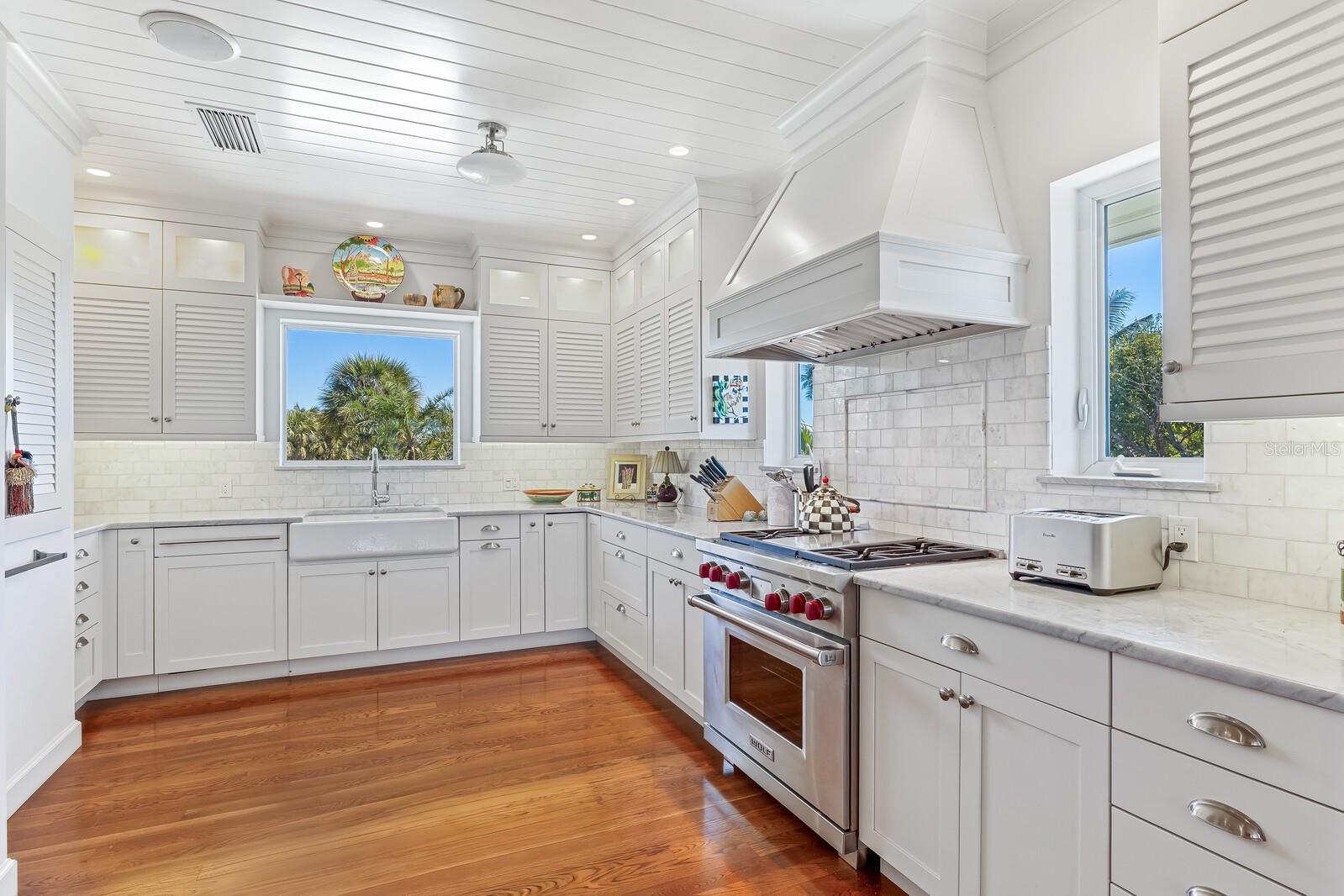
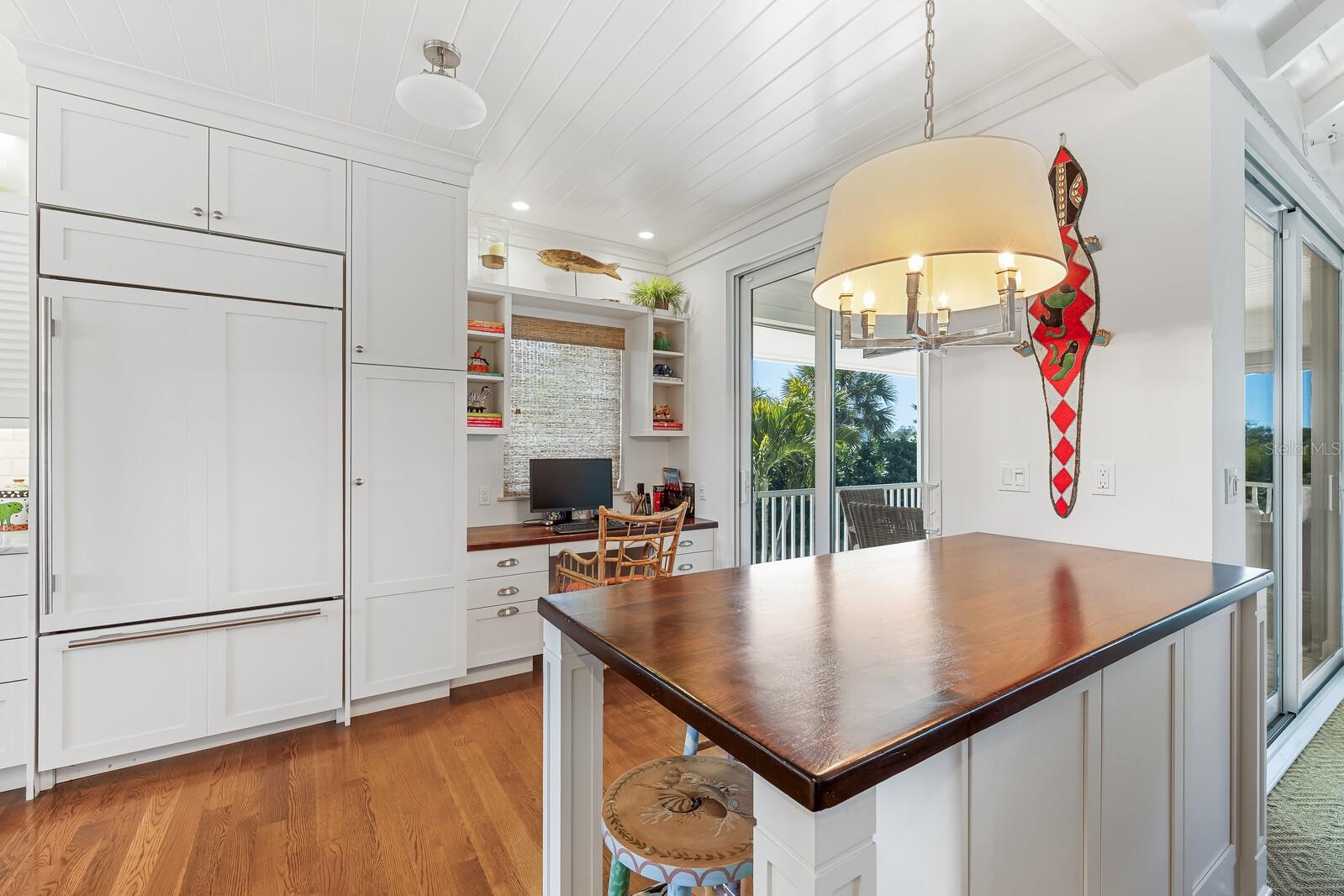
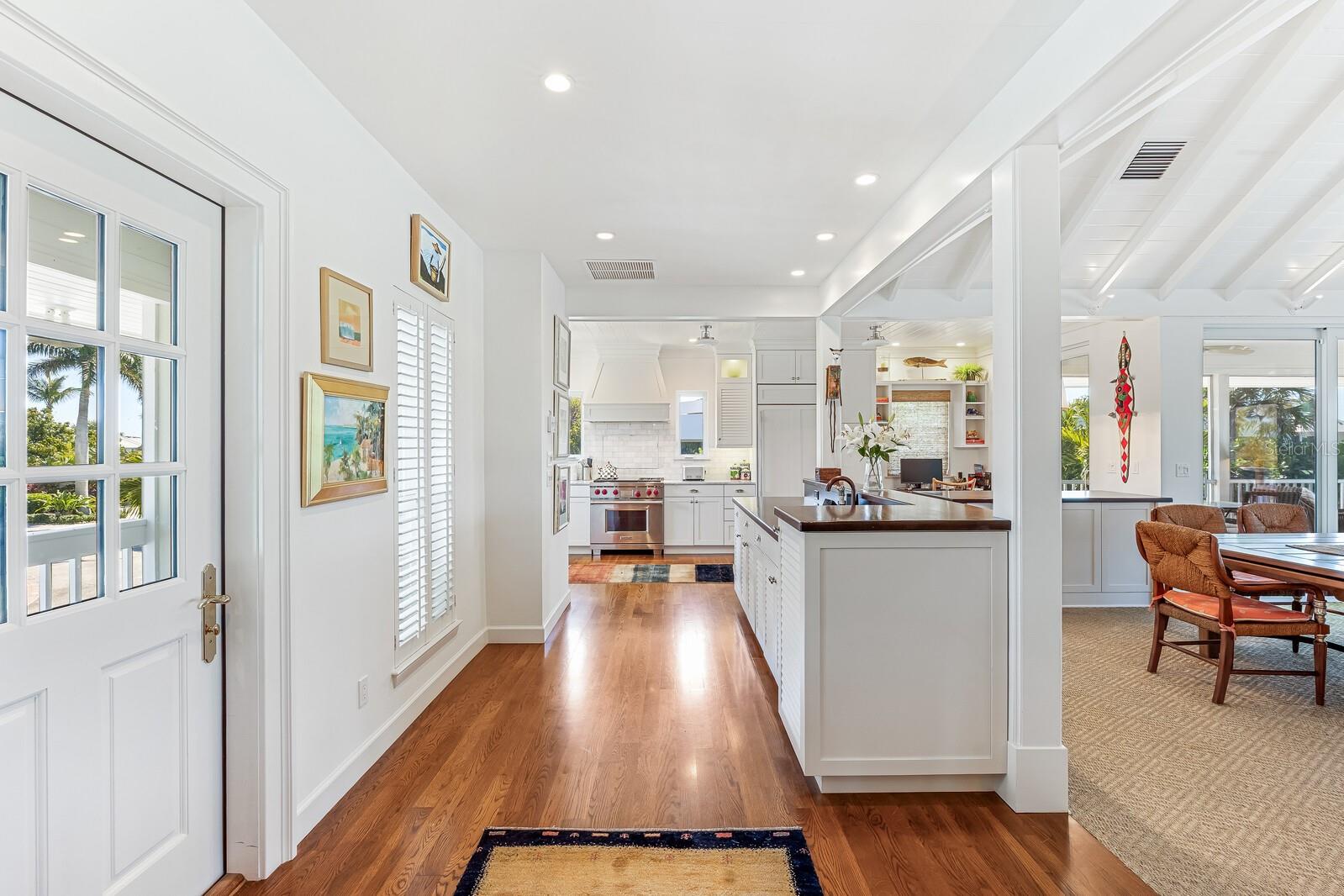
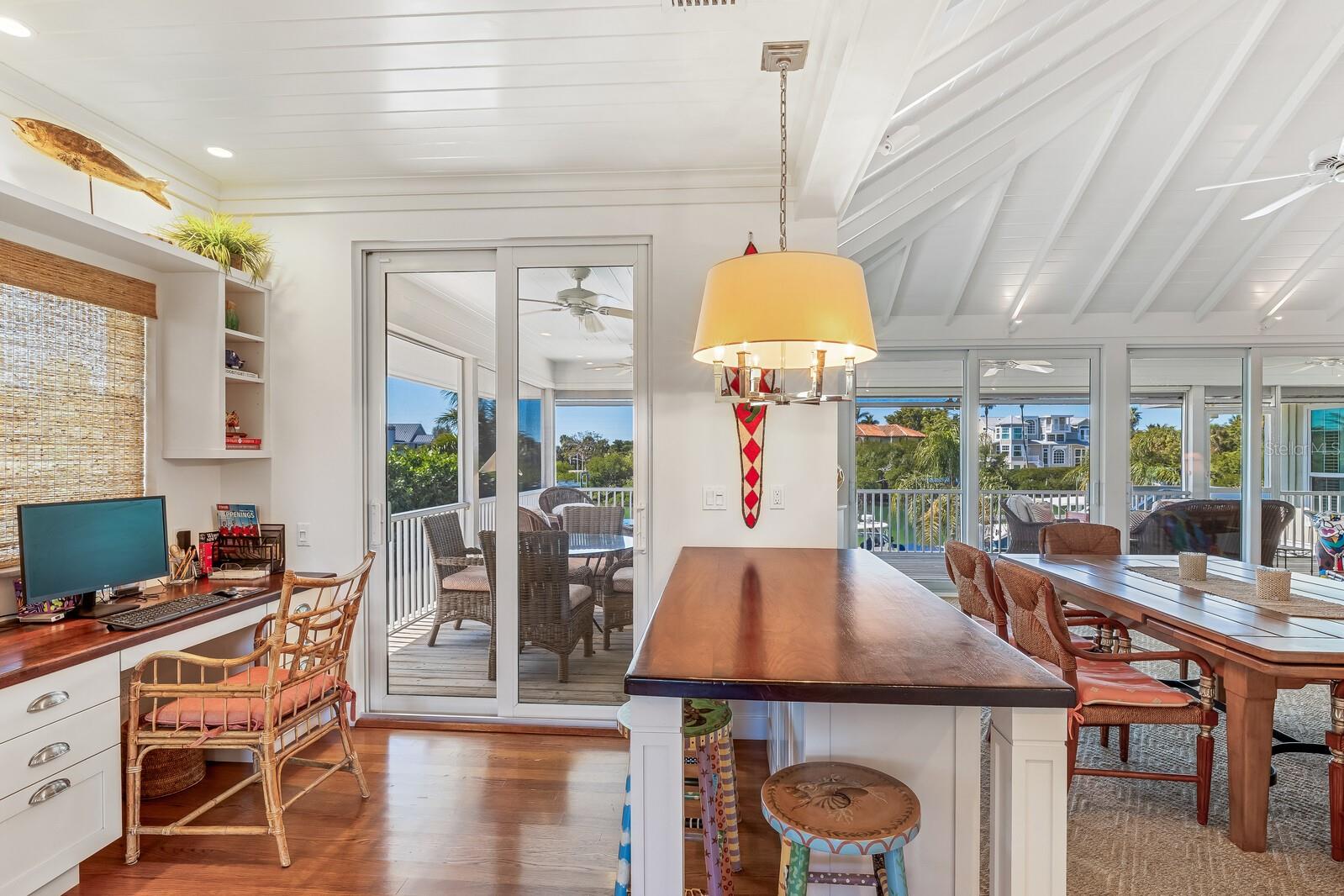
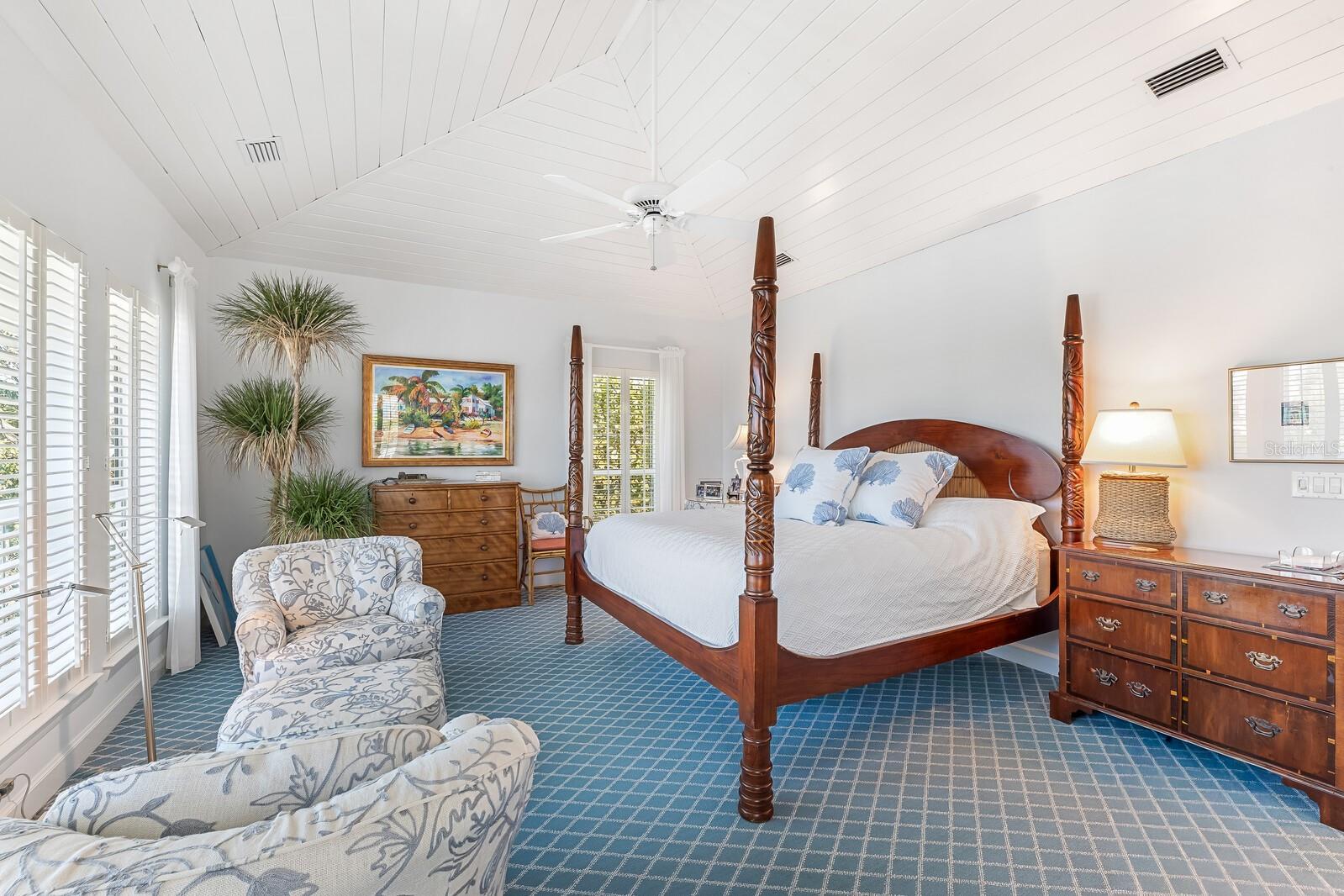
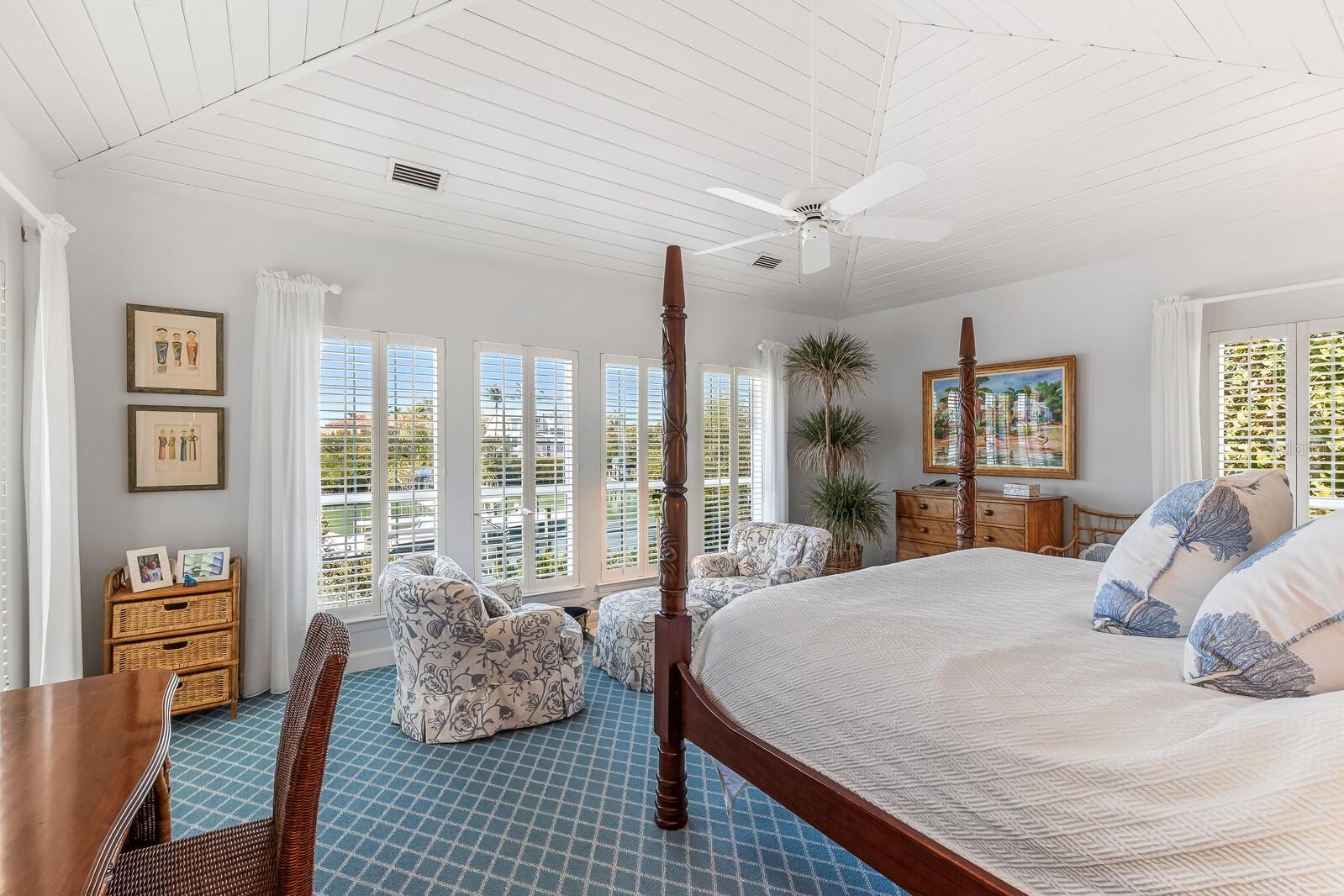
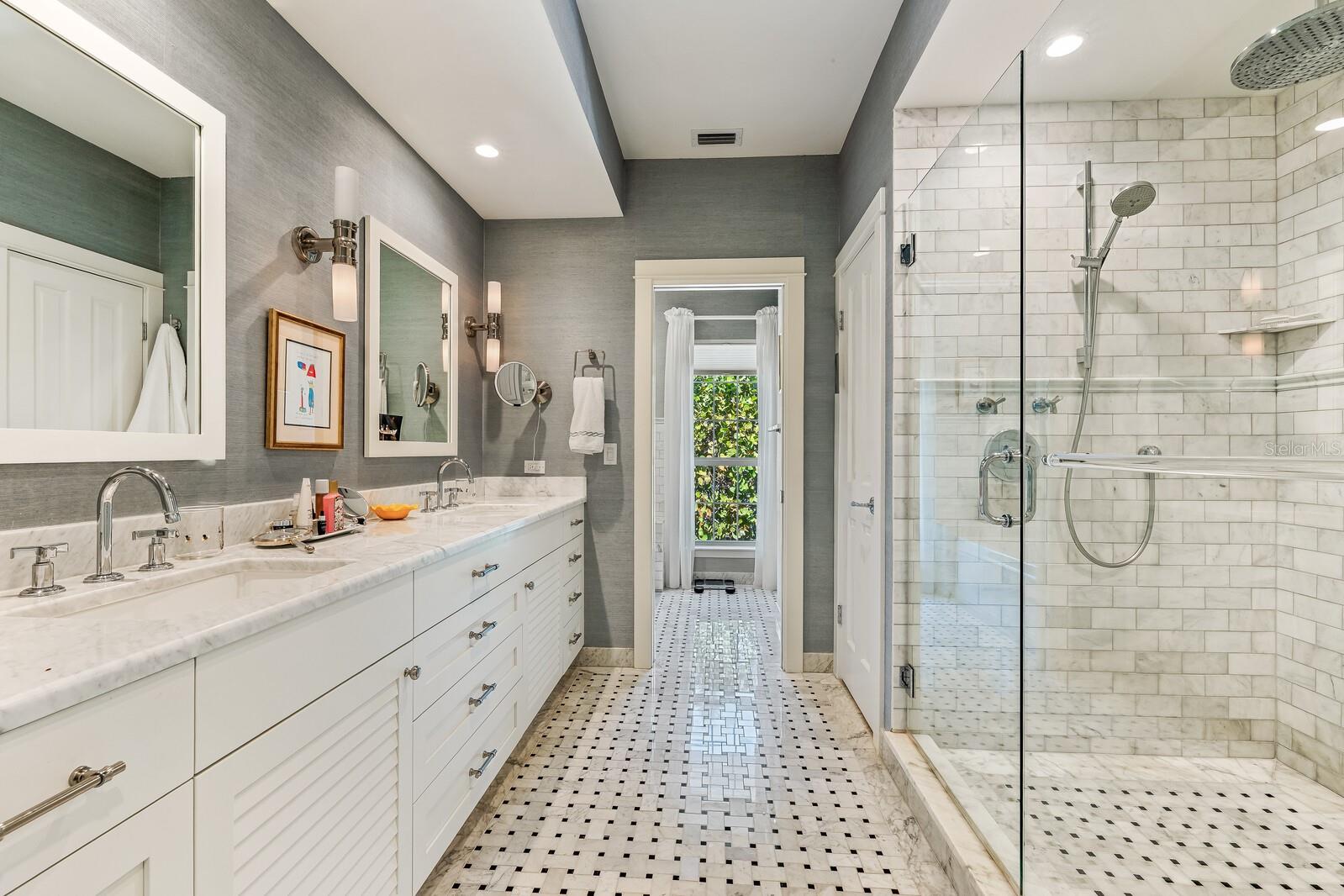
Historic village homes and renovated cottages form the heart of the island's residential character. Many of the original 1900s-era worker cottages remain standing, maintained under the historic preservation standards of the GICIA. The highest expression of this category is the "preservation renovation" — an original 1920s cottage with its exterior historic designation intact and its interior completely rebuilt to contemporary luxury standards, including hurricane-resistant windows, modern mechanical systems, and high-end finishes. These properties appeal strongly to buyers who want the authentic Boca Grande aesthetic without sacrificing modern comfort.
Condominiums are clustered primarily in developments like Boca Grande North and in properties adjacent to the Gasparilla Inn campus. The range is substantial, from older two-bedroom units in the $800,000 to $1.2 million range to ultra-luxury beachfront condominiums that exceed $4 million. For Inn guests who are not yet ready for the full commitment of estate ownership, a well-positioned condominium in this market offers the "lock-and-leave" seasonal lifestyle with lower maintenance overhead and, in some cases, access to Inn amenities. The caveat for 2026 condo buyers is the importance of reviewing association reserves carefully given Florida's updated Structural Integrity Reserve Study requirements.
True apartments are effectively nonexistent as a commercial category. The occasional ADU, carriage house, or long-term rental above a Park Avenue storefront represents the entirety of the rental inventory at that scale.
What Should New Residents Know?
Settling into Boca Grande is less a relocation and more an induction. The island has its own operating logic, and residents who understand it from the start integrate far more smoothly than those who arrive expecting it to behave like any other Florida address.
The golf cart is not optional. It is the primary social instrument and the practical vehicle of daily island life. Grocery runs, dinner at the Inn, morning coffee, sunset cruises along the bike path — all of it happens by cart. Ensuring your property has a proper cart barn or dedicated charging infrastructure is not a luxury addition; it is a functional necessity. Golf carts are also the most reliable way to navigate during peak Season, when the single causeway bridge creates occasional backups and parking in the village becomes genuinely constrained.
The Florida Homestead Exemption requires strategic timing. To qualify, you must establish Boca Grande as your primary residence by January 1st of the relevant tax year. On a property valued at several million dollars, the exemption's tax cap benefits compound significantly over time. Many new buyers with closing dates in the second half of the year begin the paperwork immediately to capture the following year's exemption.
If boating is a priority, verify your specific property's dock capacity and canal depth before closing rather than after. "Waterfront" on Boca Grande encompasses everything from deep-draft Charlotte Harbor frontage capable of handling a 50-foot sportfisher to shallow interior canals that comfortably accommodate only a flats skiff. The difference between those two scenarios is not incidental; it is the entire premise of the property for a serious angler or cruiser.
Seasonal rhythms on the island are dramatic. Between November and April, the population swells, restaurant reservations require weeks of lead time, and the causeway experiences genuine congestion during peak arrival and departure windows. Summer is quieter, hotter, and punctuated by afternoon thunderstorms, but it is also when tarpon season peaks and the island takes on an atmosphere that longtime residents often describe as the "real" Boca Grande.
Hurricane preparedness is not a bureaucratic formality on a Gulf-facing barrier island. New residents should immediately familiarize themselves with the Tier 1 Re-entry Hangtag system, which governs who can return to the island following a mandatory evacuation once conditions are deemed safe. Insurance strategy, storm shutter protocols, and the logistics of relocating vehicles and vessels off the island before a storm event are all decisions best made before they become urgent.
What's Being Built in Boca Grande?
Development activity on Boca Grande is deliberately sparse, and that scarcity is a feature rather than a limitation. The island's conservation framework makes large-scale new construction effectively impossible, which means that the "new" inventory entering the market is almost exclusively either high-end custom rebuilds on existing footprints or targeted community infrastructure improvements.
Hill Tide Estates at the island's southern tip represents the most significant residential development story of 2025 and 2026. This is the only gated community on Gasparilla Island with direct frontage on the Boca Grande Pass, and the lots that were platted years ago are now seeing the completion of several ultra-luxury custom estates. The combination of Pass frontage, lighthouse views, protected community access, and proximity to the state park makes this enclave arguably the most distinctive address on the island. For buyers at the top of the luxury market, the availability of a completed estate or a remaining lot in Hill Tide Estates is a rare and time-sensitive opportunity.
The Boca Grande Health Clinic expansion is the community's most significant public infrastructure project of this cycle. As of early 2026, the exterior is substantially complete with a projected opening in late spring 2026. The new facility will offer expanded on-island laboratory services, upgraded imaging technology including CT and ultrasound capability, and a design vocabulary deliberately calibrated to complement the island's historic aesthetic. For seasonal residents and second-home owners who have historically needed to travel to the mainland for anything beyond basic care, this expansion represents a meaningful quality-of-life improvement.
The Mercabo Cove Environmental Restoration project, led by the Gasparilla Island Conservation and Improvement Association, is a $2 million initiative transforming a former industrial site into a functioning marine sanctuary. The 2026 phase is focused on Living Shorelines construction, deploying reef balls and mangrove plantings to improve water quality and create structured habitat for manatees, juvenile snook, redfish, and tarpon. For the buyer whose attachment to Boca Grande is rooted in its ecological identity, this project is a direct expression of the community values that make the island worth the investment.
In the historic village, the prevailing construction activity is the preservation renovation model: original cottages being carefully upgraded from the inside out, with exterior historic designations maintained and interiors rebuilt to luxury standards. This trend is accelerating as buyers who want authentic island character discover that these cottages, when properly renovated, offer an extraordinary product at price points that are competitive with some of the newer estate construction.
What Should Buyers Consider?
Buying on Boca Grande at the luxury level requires a different analytical framework than buying almost anywhere else in Florida, because the variables that most affect long-term value here are frequently invisible on a standard MLS listing.
Flood zone certification and elevation are perhaps the most consequential due diligence items on the island. As of January 1, 2026, Florida law requires all Citizens policyholders with homes valued at $400,000 or more to carry flood insurance regardless of zone designation. Most of Boca Grande falls within Zone VE, which carries wave action risk, or Zone AE. On a $10 million Gulf-front estate, the difference between a well-documented elevation certificate and a poorly documented one can translate into annual premium differentials of $20,000 or more. Reviewing the elevation certificate before submitting an offer is not optional; it is the foundational document of the transaction.
Insurability in the private market has become a decisive factor in whether a transaction closes. Homes with roofs older than 10 years, without impact-rated windows, or with seawall conditions that have not been recently certified are increasingly difficult to insure in Florida's current private market environment. Before committing to any property in the $5 million-plus tier, buyers should have an insurance broker actively quote the property during the inspection period. Walking away from an uninsurable home is significantly less expensive than closing on one.
The historic district constraints require careful evaluation for buyers with renovation intentions. Much of the village falls under historic designation, meaning that exterior modifications, additions, and even certain landscaping changes require a Certificate of Appropriateness from the relevant review bodies. For buyers whose vision includes substantial exterior alterations to a historic cottage, this approval process can add six to twelve months to the timeline and introduce meaningful uncertainty about outcomes. The highest-value play in the historic district is purchasing a property that has already completed this process.
The Gasparilla Inn proximity effect is real and measurable. Properties within easy golf cart distance of the Inn, the Beach Club, and the Golf Club command premium pricing that reflects the lifestyle access those amenities provide — particularly for buyers who have already established a relationship with the Inn as seasonal guests. However, the very closest streets to the Inn's main campus also carry foot traffic and noise during peak Season that buyers who value absolute quiet should factor into their decision.
For buyers focused on boating access, the specific dock configuration and water depth documentation for each property is as important as the home's square footage. The Charlotte Harbor side of the island offers genuinely deep-water access for serious offshore boats, while some interior canal properties are optimized for the shallow-water fishing skiffs and kayaks that define backcountry angling. Matching the property to the intended use of the water is a critical qualification step.
What Should Sellers Know?
The sellers who succeed in the 2026 Boca Grande market are those who understand that they are not selling square footage, finishes, or even location in the conventional sense. They are selling access to a lifestyle, a community, and a physical environment that cannot be replicated anywhere else in Florida. The buyers who can afford to acquire property at the $5 million-plus level on this island have options. What they do not have, anywhere else, is Boca Grande.
Seasonal timing remains the most powerful lever a seller controls. The "Power Window" for the luxury market runs from November through March, when the island's population peaks, the Gasparilla Inn is operating at full capacity, and the pipeline of Inn guests actively considering second-home purchases is at its deepest. Listings that go live in October, well before the Season crowd arrives, have the best chance of capturing motivated buyers at the peak of their enthusiasm. Summer listings, while possible, typically attract more price-sensitive buyers and spend more time on market.
Hurricane mitigation documentation is the single most impactful pre-listing investment a seller can make in 2026. A completed wind mitigation report demonstrating impact-rated windows, a roof less than 10 years old, and properly documented opening protections has a direct, quantifiable effect on a buyer's ability to obtain private market insurance at a reasonable premium. In a market where insurability concerns are causing transactions to fall apart during the inspection period, sellers who can demonstrate a "turn-key insurable" property are eliminating one of the most common deal-killers before it arises.
Pricing strategy has reverted to fundamentals after years of aspirational excess. Properties priced within 3 to 5 percent of recent comparable sales are moving within 60 days. Properties priced on the assumption that 2022 peak conditions still apply are accumulating days on market, undergoing repeated reductions, and ultimately selling for less than they would have fetched with a realistic opening price. The comp analysis for the Gulf-front and Pass-front tier is thin by definition, so working with a broker who has genuine transaction history on the island, not just regional experience, is essential to calibrating the right opening position.
The buyer profile has expanded meaningfully beyond traditional retirees. The "work-from-paradise" cohort, typically ages 40 to 55, high-net-worth professionals who discovered during the pandemic that their work could be conducted from anywhere, is a growing and increasingly active segment of the Boca Grande buyer pool. Marketing materials and home staging that emphasize high-speed fiber connectivity, dedicated home office spaces, and the island's year-round livability rather than just its seasonal appeal will broaden the effective buyer universe for a well-positioned listing.
For Gulf-front and beach-access properties, the outdoor living setup is not supplementary to the listing — it is the listing's primary value driver. High-end screened lanais, outdoor kitchens, private pools with Gulf views, and direct beach access paths should be staged, photographed, and described with the same care and investment as the primary interior spaces.
Where Can You Eat and Drink?
Dining on Boca Grande operates at the same frequency as the rest of island life: unhurried, high-quality, and entirely free of anything approaching commercial chain culture. Every restaurant here is an extension of the island's personality, and for Gasparilla Inn guests and second-home owners, several of these establishments function as extensions of the Inn's own social ecosystem.
The Gasparilla Inn's Main Dining Room remains the formal pinnacle of the island's culinary experience. The silver-service breakfast and formal dinner service maintain the Inn's legendary standards, with jackets required for gentlemen during peak Season. For guests who have built their relationship with the island through the Inn, dining in the Main Room is not merely a restaurant experience; it is a ritual that marks the beginning and end of each island visit. The Beach Club, accessible to Inn guests and members, completes the Inn's dining portfolio with one of the finest sunset vantage points on the Gulf, regularly accompanied by live music and specialty cocktail programming.
The Pink Elephant, known locally as The Pink, functions as the island's most democratic social institution. The upstairs dining room offers a more formal experience while the downstairs pub delivers the kind of relaxed, convivial energy that has made it the unofficial gathering place for everyone from visiting anglers to long-tenured seasonal residents. It is one of the few places on the island where the full social cross-section genuinely mingles.
The Loose Caboose, housed in the historic train depot, delivers the unpretentious pleasure of a fresh grouper sandwich and excellent ice cream in a setting that wears the island's industrial history on its sleeve. The Temptation offers the opposite end of the spectrum — a vintage, upscale room with a legendary wine cellar and the kind of quiet, old-money atmosphere that rewards those who seek it out. Both establishments have been fixtures of the island's social calendar for long enough to qualify as cultural institutions.
For those with access, the Gasparilla Golf Club's dining facilities extend the Inn experience into the sporting day, and the Beach Club's casual poolside options provide the social anchor for afternoon hours on the Gulf side. The overall dining picture is one of remarkable quality for a community of this size, with the Inn's amenity ecosystem providing a hospitality foundation that few island communities anywhere in the world can match.
Where Can You Shop?
Shopping on Boca Grande is a purposeful, intimate affair, conducted primarily on foot or by golf cart along Park Avenue and Railroad Avenue. The commercial district is compact enough to cover entirely in an afternoon and refined enough to satisfy most practical and aesthetic shopping needs without ever leaving the island.
Fugate's is the anchor of the commercial district in the most literal sense — it has been in operation since 1916, which makes it older than most of the island's residential development. It sells a genuine range: designer resort wear, high-end gifts, beach accessories, and daily necessities. Shopping at Fugate's is as much a cultural act as a commercial one.
Boca Grande Outfitters is essential for any buyer whose interest in the island is rooted in its fishing identity. Technical fly-fishing gear, premium outdoor apparel from Patagonia, Simms, and similar brands, and the knowledge base of a staff that fishes these waters seriously make it the first stop for anyone preparing for tarpon season. The Palm on Park and J. McLaughlin round out the apparel offering with a Lilly Pulitzer-forward, classic American resort aesthetic that is the visual language of the island's seasonal population.
For provisions, Hudson's Grocery handles the primary shopping needs with an impressive selection of high-quality meats, a well-curated wine program, and fresh deli options that exceed what most island markets attempt. Newlin's Specialty Grocery fills the gourmet niche with particular distinction, offering authentic New England lobster rolls and elevated ready-to-heat dinner options that have made it a staple for seasonal residents who want quality without the full restaurant commitment. The informal tradition of buying fresh shrimp directly off the boat at Whidden's Marina, when the sign is out, is one of those island customs that new residents discover and immediately adopt as a weekly ritual.
What Parks and Recreation Are Available?
Boca Grande's recreational identity is built around water, wildlife, and the particular unhurried pleasure of a community where the default pace is a golf cart at sunset. The infrastructure for outdoor activity here is woven into the island's physical fabric rather than retrofitted onto it.
The Boca Grande Bike Path is the island's primary shared-use artery, a 6.5-mile multi-use corridor built on the original bed of the Charlotte Harbor and Northern Railway. It holds the distinction of being Florida's first rail-to-trail project, and in 2026 it remains the most scenic and safest route through the island, shaded in sections by mature banyan canopies and running the full navigable length of the community. Bikes, golf carts, and pedestrians coexist here in the early-morning quiet and the evening cool with a naturalness that says something genuine about the island's culture.
Gasparilla Island State Park anchors the southern tip and represents the island's most concentrated natural asset. Five distinct beach access areas provide Gulf frontage ranging from the wide, shell-strewn expanse at the Range Light beach to the more exposed, current-rich shores nearest the Pass. The Port Boca Grande Lighthouse and Museum grounds are within the park, offering historical context for the island's phosphate era alongside some of the most photographed scenery on Florida's Gulf Coast. The park's conservation status ensures that the southern tip of the island will remain undeveloped in perpetuity, which is both an ecological achievement and a powerful long-term value protection for adjacent properties.
The Gasparilla Golf Club, a Pete Dye-designed championship course playing over 7,000 yards from the tips and surrounded entirely by water, is exclusive to Gasparilla Inn guests and private members. For buyers whose connection to the island runs through the Inn, the Golf Club is often among the first amenities they enumerate when describing what makes the purchase compelling. Dye's design is genuinely challenging and visually spectacular, and the exclusivity of access is part of what makes membership meaningful. For prospective buyers evaluating how deeply they want to embed themselves in the Inn's amenity ecosystem, Golf Club access is a significant differentiating factor between property types and locations.
Cayo Costa State Park, reachable by a short boat ride across the Pass, extends the island's recreational horizon substantially. Six and a half miles of hiking trails through undeveloped barrier island wilderness, combined with some of the most pristine and uncrowded Gulf beaches in Florida, make it a frequent destination for residents who want to experience what the entire Gulf Coast once looked and felt like.
What's the Local Culture Like?
The culture of Boca Grande is, at its core, a culture of preservation — not preservation as nostalgia or affectation, but as an active, collective, sometimes ferociously held value. The residents of this island understand with unusual clarity what they have, what forces threaten it, and what it costs to protect it. That shared understanding produces a community ethos unlike anything found in Florida's other luxury enclaves.
Wealth here performs itself very differently than it does in Naples, Palm Beach, or Miami. The expensive watch, the status vehicle, the conspicuous renovation that announces itself from the street — none of these signals carry the currency on Boca Grande that they carry elsewhere. What carries currency here is longevity, stewardship, and quiet competence. The families that have been coming for four generations are the social anchors. The newer arrivals who demonstrate the same reverence for the island's character earn their place in the community with time and behavior rather than with spending.
Tarpon fever is not a metaphor. From May through July, when the Boca Grande Pass fills with the largest congregation of Atlantic tarpon on earth, the island's energy shifts into a mode that can only be described as focused reverence. Generations of families have fished this Pass together, passing down specific tide windows, fly patterns, and boat positioning techniques with the seriousness that other families reserve for professional inheritances. The tarpon is the island's totemic animal, and the culture of catch-and-release practice that has developed around it is as much a values statement as it is a conservation strategy.
The social calendar follows the Inn's seasonal rhythm. The Christmas Tree Lighting on the Inn's grounds, the Boca Grande Film Festival in February, the Ladies' Day Tarpon Tournament in summer, and the Memorial Day H2O Music Fest at the sandbar are the anchoring events of the community year. For Inn guests transitioning into second-home ownership, these events are the entry points into the social fabric that makes full seasonal residency feel like arriving home rather than arriving at a vacation property.
The golf cart is the social infrastructure. The 15-minute stop-and-chat in the middle of the bike path, the evening convoy of carts heading toward the Inn for drinks, the morning ritual of cart-based coffee runs to Kappy's — these are the daily interactions through which the community maintains its cohesion. Understanding this before you arrive means you know to buy the right cart, configure the right property for it, and embrace the pace it implies.
What Are the Schools Like?
Education within the island itself is anchored by a single institution that consistently outperforms expectations for a school of its scale. The Island School, a tuition-free public charter school serving kindergarten through fifth grade, carries a consistent "A" rating from the Florida Department of Education and maintains a student-to-teacher ratio of approximately 5 to 1 — a figure that most private institutions charge premium tuitions to replicate. The curriculum integrates the island's natural environment meaningfully, with marine biology and local ecology woven into the standard academic program in ways that give students an early and sophisticated relationship with the coastal world they inhabit. For families with young children, the Island School is a genuinely exceptional educational resource.
Beyond fifth grade, the path leads to the mainland. Middle and high school students typically attend schools within the Lee County or Charlotte County school districts, with Lemon Bay High School in Englewood being the most common public destination given its roughly 20-minute proximity. Families seeking private options typically look toward Sarasota, where The Out-of-Door Academy offers a well-regarded K-12 program, or Fort Myers, where Bishop Verot Catholic High School provides a rigorous college preparatory environment. Commutes for these options range from 45 to 75 minutes, which is a significant daily commitment and one that most families factor into their housing decisions as children approach middle school age.
For the second-home market, which represents the majority of the island's buyer profile at the luxury level, school quality within the traditional K-12 framework is often a secondary consideration. Many buyers are at a life stage where their children are grown, or they maintain primary residences elsewhere where their children are enrolled. For this cohort, the Island School's existence and quality functions more as a community amenity — evidence of a functioning, multigenerational island population — than as a direct personal necessity.
Florida Gulf Coast University in Fort Myers and Sarasota-Bradenton International Airport's proximity to the State College of Florida represent the higher education options within reasonable driving range for residents pursuing continuing education or professional development.
How Do You Get Around?
Getting around Boca Grande involves two entirely distinct scales of transportation: movement within the island, which is almost exclusively the domain of the golf cart and the bike, and movement between the island and the mainland or beyond, which requires more deliberate planning than in less isolated communities.
Within the island, the golf cart is definitive. The 6.5-mile bike path provides safe, scenic north-south travel through the full length of the community, and the village's walkable commercial core along Park and Railroad Avenues means that most daily errands, dining, and social activity can be conducted without ever starting a car engine. For new residents acclimating to island life, the shift to a golf cart as the primary vehicle is one of the most immediate and pleasurable lifestyle adjustments the island demands.
The Gasparilla Causeway is the sole vehicular connection to the mainland, with a current toll of $6.00 for a standard passenger vehicle in the island-bound direction. Frequent travelers, which in the context of a seasonal second home typically means weekly or more often, benefit significantly from the GIBA Toll Pass, which reduces the per-trip cost to approximately $3.90 or offers an unlimited annual pass at $780. The causeway includes a historic swing bridge that opens periodically for marine traffic, introducing occasional delays of 10 to 15 minutes that experienced residents build into their schedules during peak boating hours.
Travel times to major regional hubs are comfortable without being trivial. Fort Myers is approximately 75 minutes, Sarasota approximately 80 minutes, and Tampa roughly 110 minutes via I-75. For the commercial mainland needs that the island cannot meet — major grocery chains, hardware stores, medical specialists — Englewood at approximately 20 minutes is the practical daily-errand destination.
Private aviation is a meaningful part of how the island's luxury resident population manages its connections to the broader world. Coral Creek Airport in Placida, just minutes from the causeway, is purpose-built for the private jet and turboprop traffic that serves the island's buyer demographic, and many high-end properties list nearby access to Coral Creek as a practical amenity. For commercial travel, Southwest Florida International in Fort Myers and Sarasota-Bradenton International are the two primary options, both within 75 to 90 minutes of the island.
Why Do People Love Boca Grande?
There is no shortage of beautiful barrier islands along Florida's Gulf Coast, no shortage of world-class fishing or sugar-white sand or warm subtropical winters. What Boca Grande offers that cannot be found elsewhere is the combination of all of those things with something far harder to engineer: an authentic, functioning community that has successfully resisted the forces that erased everything like it from the rest of the state.
For the Gasparilla Inn guest who has spent years returning to the island each winter, watching the same families at the same tables in the Main Dining Room, hearing the same stories about the Pass at first light, riding the same bike path at sunset on a cart borrowed from the Inn — the decision to buy is rarely a rational real estate calculation. It is the recognition of a place that already feels like home, combined with the entirely practical desire to make that feeling permanent.
At the $5 million and above price point, buyers on this island are not choosing between competing amenities packages. They are choosing a version of Florida that no longer exists anywhere else. They are choosing the lighthouse at the tip of the Pass, the tarpon rolling in the current at dawn, the Gaspartini at the Beach Club as the Gulf turns orange, the unhurried conversation on the bike path, and the particular quiet that comes from living on an island that everyone on it has agreed to protect.
That is what Boca Grande is selling. And in 2026, for buyers with the preparation, the capital, and the patience to navigate a market that is rewarding exactly those qualities, there has rarely been a better moment to make the move.
Welcome to Boca Grande, FL
Boca Grande is unlike anywhere else on Florida's Gulf Coast, and the people who know it best will tell you that is entirely by design. Situated on the southern tip of Gasparilla Island, this is a community that has quietly, methodically, and sometimes fiercely resisted every force that has erased Old Florida from the rest of the state. There are no high-rises here, no chain restaurants, no neon signs competing for your attention. What you find instead is a narrow strip of barrier island where golf carts outnumber cars, where century-old banyan trees canopy the bike path, and where the names DuPont, Rockefeller, and Bush are part of the social fabric rather than just history.
For guests who have experienced the Gasparilla Inn, the allure is immediately legible. The Inn is the gravitational center of the island's social and cultural life, and for generations it has functioned as the gateway drug for second-home ownership here. First-time visitors come for a long weekend, discover the tarpon fishing, the Gulf sunsets, the Beach Club, the Gaspartini cocktail at sunset, and the particular silence that only an intentionally isolated island can offer. They leave wondering how quickly they can get back and whether they can make it permanent. That transition, from Inn guest to second-home owner, is the defining arc of Boca Grande's luxury real estate market.
The island operates at a pace that money cannot fully replicate elsewhere. Wealth here is understated to the point of invisibility. A billionaire and a local charter captain share the same bike path, wave at each other from their golf carts, and hold the same position on the preservation of the island's 19th-century aesthetic. That shared ethos is the real product Boca Grande is selling, and at the $5 million and above price point, it is exactly what discerning buyers are paying for.
How Did Boca Grande Develop?
The story of Boca Grande is one of the more improbable origin stories in Florida real estate — a place that was first valued for industrial muscle and only later discovered to be something far rarer.
Long before the first wealthy families arrived, the Calusa Indians inhabited the island and the surrounding waterways, living off the extraordinary marine abundance that the deep-water pass provided. Spanish fishermen followed, recognizing the same resource and giving the pass its name: Boca Grande, meaning "Big Mouth," a reference to the deep, wide channel that made the southern tip of the island one of the most navigable natural passes on Florida's Gulf Coast.
That deep channel is what triggered the island's industrial era. In the late 1800s, phosphate was discovered in massive quantities in the interior of Charlotte County, and because Boca Grande Passoffered one of the deepest natural draft channels in all of Florida, the island became the logical shipping terminus. The Charlotte Harbor and Northern Railway was completed in 1907, threading through the mangroves and palmetto scrub to connect the phosphate mines to the deep-water port at the island's southern tip. For a brief but consequential period, Boca Grande was a working industrial port town, complete with workers' cottages, a freight depot, and the unglamorous machinery of commodity shipping.
What the phosphate barons and shipping magnates discovered, almost accidentally, was that the island they had built their infrastructure on was also a paradise. The Gasparilla Inn opened in 1913, and the families who came to oversee shipping operations began to linger. The DuPonts came. The Rockefellers followed. The Bushes would come later. Each family recognized what the island offered at its core: complete privacy, extraordinary natural beauty, world-class fishing, and a social culture that rewarded discretion over display.
By the 1970s, phosphate shipping had ceased entirely, and the island completed its transformation into an elite residential and seasonal destination. But the physical evidence of that industrial past is what gives Boca Grande its architectural character. The workers' cottages became charming historic residences. The freight depot became the Loose Caboose restaurant. The rail bed became Florida's first rail-to-trail project, now the beloved 6.5-mile Boca Grande Bike Path. The industrial bones of the island became its most distinctive aesthetic asset.
Strict building codes and the Gasparilla Island Conservation District Act have ensured that the development pattern frozen in place decades ago remains largely intact today. The "condo-fication" and high-rise sprawl that overtook nearly every other desirable stretch of Florida's coastline simply never happened here, and the local culture treats that outcome as the community's highest collective achievement.
Where Is Boca Grande Located?
Boca Grande occupies the southern half of Gasparilla Island, a narrow barrier island positioned along Florida's southwest Gulf Coast in Lee and Charlotte counties. The island sits at a geographic sweet spot: roughly 90 minutes south of Sarasota and 75 minutes north of Fort Myers, placing it within comfortable reach of two major commercial airports while remaining genuinely removed from the congestion and development corridors that define both cities.
Access is deliberately singular. There is only one way onto the island by vehicle, and that is the Gasparilla Causeway (County Road 771), a toll bridge that crosses Charlotte Harbor from the Placida area on the mainland. That single point of entry is not a design flaw but a feature. It is part of what maintains the island's character and ensures that every person who arrives has made a deliberate decision to be there.
Geographically, the island is defined by the interplay of three distinct bodies of water. To the west, the Gulf of Mexico delivers miles of sugar-white sand beaches along the full length of the island's gulf-facing shore, backed by sea grapes, coconut palms, and the deep shade of banyan canopies. To the east, Charlotte Harbor, one of the largest estuaries in Florida, creates a rich, protected boating environment with extensive shoal-water fishing, kayaking, and marina access. At the southern tip, the Boca Grande Pass itself — a deep, swift-running channel separating Gasparilla Island from Cayo Costa — functions as the ecological and cultural epicenter of the island. It is in and around that pass where the world's largest concentrations of Atlantic tarpon gather each spring and summer, a fact that has shaped the island's identity as comprehensively as any architectural code or conservation ordinance.
The northern end of the island transitions into the Gasparilla Island State Park, a preserved wilderness of Gulf-front beach, sea oats, and scrub habitat that prevents any northward residential expansion and ensures the island retains its wild edge. The southern tip, anchored by the Port Boca Grande Lighthouse, contains the state park's most-visited beach access points and frames the Pass with the kind of scenery that makes first-time visitors understand immediately why people spend millions to wake up here.
What's the Housing Market Like?
As of early 2026, the Boca Grande luxury market has transitioned decisively out of the frantic, compressed post-pandemic era and into a phase that experienced buyers should actually find more appealing: a deliberate, high-value environment where preparation and patience are rewarded.
The frenzy is over. The "buy anything at any price before someone else does" mentality that characterized 2021 and 2022 has been replaced by something more rational. Homes that were priced on the assumption that those peak conditions would persist indefinitely are sitting on the market and accumulating price reductions. Homes that are correctly priced, properly insured, and positioned to appeal to the island's actual buyer profile are still moving. That distinction matters enormously in a market where the buyer pool is small, sophisticated, and unhurried.
Typical home values across the island range from approximately $2.6 million to $3.0 million as a broad median, but that number is nearly meaningless for buyers focused on the luxury tier. Gulf-front estates along Gulf Boulevard routinely trade in the $10 million to $30 million range. Properties in the Hill Tide Estates enclave, with their direct frontage on Boca Grande Pass and panoramic views of the lighthouse and open Gulf, represent some of the most distinctive and sought-after real estate in the state. Bay-side properties with private dock access and Charlotte Harbor frontage occupy a strong mid-luxury tier, typically in the $3 million to $8 million range depending on lot depth, dock configuration, and Gulf proximity.
Inventory has expanded significantly, with roughly 70 to 80 active listings on the island at any given time, up dramatically from the near-zero availability of the pandemic peak. Days on market have stretched to 60 to 90 days for well-priced properties, and significantly longer for estates in the $10 million-plus tier where the qualified buyer pool is measured in dozens rather than hundreds. The sale-to-list ratio has settled around 92 to 93 percent, meaning buyers with solid preparation are successfully negotiating roughly 7 percent off asking price. Appreciation forecasts for 2026 are modest, projecting 1 to 2 percent annual growth, which signals a healthy normalization rather than any structural weakness.
For buyers coming out of the Gasparilla Inn experience, the critical insight is that the window of negotiating leverage currently open on this island is unusual. Properties that would have received multiple competing offers with no contingencies two years ago are now being sold with proper due diligence periods, inspection contingencies, and meaningful price negotiations. That leverage will not last indefinitely.
What Types of Homes Are Available?
The housing stock on Boca Grande is a direct expression of its history and its zoning philosophy. There are no cookie-cutter subdivisions, no tower condominiums, and no developer-built tract homes. Every category of property here carries some imprint of the island's architectural character and conservation ethos.
Gulf-front estates represent the pinnacle of the market and the aspiration of virtually every serious buyer. These are typically large-format Mediterranean Revival, West Indies, or updated coastal vernacular structures positioned along Gulf Boulevard with direct beach access and unobstructed Gulf of Mexico views. Properties at this tier are priced from roughly $10 million to $30 million and above, with the most significant recent sales involving custom estates built on elevated foundations with impact-rated construction, expansive screened outdoor living spaces, private pools, and deeded beach access. These properties are finite in supply and generational in tenure; when one becomes available, the qualified buyer community takes notice immediately.
Bay-side and canal properties offer a different but equally compelling luxury proposition. Eastern-facing homes on Charlotte Harbor or along the island's interior canals prioritize boating utility above all else. These properties typically feature private deep-water docks, covered boat lifts, and direct access to some of the finest backcountry and open-water fishing in Florida. For the buyer whose primary identity is angler or cruiser rather than beach-sitter, a properly configured bay-side property on Boca Grande represents a functionally superior choice.
Historic village homes and renovated cottages form the heart of the island's residential character. Many of the original 1900s-era worker cottages remain standing, maintained under the historic preservation standards of the GICIA. The highest expression of this category is the "preservation renovation" — an original 1920s cottage with its exterior historic designation intact and its interior completely rebuilt to contemporary luxury standards, including hurricane-resistant windows, modern mechanical systems, and high-end finishes. These properties appeal strongly to buyers who want the authentic Boca Grande aesthetic without sacrificing modern comfort.
Condominiums are clustered primarily in developments like Boca Grande North and in properties adjacent to the Gasparilla Inn campus. The range is substantial, from older two-bedroom units in the $800,000 to $1.2 million range to ultra-luxury beachfront condominiums that exceed $4 million. For Inn guests who are not yet ready for the full commitment of estate ownership, a well-positioned condominium in this market offers the "lock-and-leave" seasonal lifestyle with lower maintenance overhead and, in some cases, access to Inn amenities. The caveat for 2026 condo buyers is the importance of reviewing association reserves carefully given Florida's updated Structural Integrity Reserve Study requirements.
True apartments are effectively nonexistent as a commercial category. The occasional ADU, carriage house, or long-term rental above a Park Avenue storefront represents the entirety of the rental inventory at that scale.
What Should New Residents Know?
Settling into Boca Grande is less a relocation and more an induction. The island has its own operating logic, and residents who understand it from the start integrate far more smoothly than those who arrive expecting it to behave like any other Florida address.
The golf cart is not optional. It is the primary social instrument and the practical vehicle of daily island life. Grocery runs, dinner at the Inn, morning coffee, sunset cruises along the bike path — all of it happens by cart. Ensuring your property has a proper cart barn or dedicated charging infrastructure is not a luxury addition; it is a functional necessity. Golf carts are also the most reliable way to navigate during peak Season, when the single causeway bridge creates occasional backups and parking in the village becomes genuinely constrained.
The Florida Homestead Exemption requires strategic timing. To qualify, you must establish Boca Grande as your primary residence by January 1st of the relevant tax year. On a property valued at several million dollars, the exemption's tax cap benefits compound significantly over time. Many new buyers with closing dates in the second half of the year begin the paperwork immediately to capture the following year's exemption.
If boating is a priority, verify your specific property's dock capacity and canal depth before closing rather than after. "Waterfront" on Boca Grande encompasses everything from deep-draft Charlotte Harbor frontage capable of handling a 50-foot sportfisher to shallow interior canals that comfortably accommodate only a flats skiff. The difference between those two scenarios is not incidental; it is the entire premise of the property for a serious angler or cruiser.
Seasonal rhythms on the island are dramatic. Between November and April, the population swells, restaurant reservations require weeks of lead time, and the causeway experiences genuine congestion during peak arrival and departure windows. Summer is quieter, hotter, and punctuated by afternoon thunderstorms, but it is also when tarpon season peaks and the island takes on an atmosphere that longtime residents often describe as the "real" Boca Grande.
Hurricane preparedness is not a bureaucratic formality on a Gulf-facing barrier island. New residents should immediately familiarize themselves with the Tier 1 Re-entry Hangtag system, which governs who can return to the island following a mandatory evacuation once conditions are deemed safe. Insurance strategy, storm shutter protocols, and the logistics of relocating vehicles and vessels off the island before a storm event are all decisions best made before they become urgent.
What's Being Built in Boca Grande?
Development activity on Boca Grande is deliberately sparse, and that scarcity is a feature rather than a limitation. The island's conservation framework makes large-scale new construction effectively impossible, which means that the "new" inventory entering the market is almost exclusively either high-end custom rebuilds on existing footprints or targeted community infrastructure improvements.
Hill Tide Estates at the island's southern tip represents the most significant residential development story of 2025 and 2026. This is the only gated community on Gasparilla Island with direct frontage on the Boca Grande Pass, and the lots that were platted years ago are now seeing the completion of several ultra-luxury custom estates. The combination of Pass frontage, lighthouse views, protected community access, and proximity to the state park makes this enclave arguably the most distinctive address on the island. For buyers at the top of the luxury market, the availability of a completed estate or a remaining lot in Hill Tide Estates is a rare and time-sensitive opportunity.
The Boca Grande Health Clinic expansion is the community's most significant public infrastructure project of this cycle. As of early 2026, the exterior is substantially complete with a projected opening in late spring 2026. The new facility will offer expanded on-island laboratory services, upgraded imaging technology including CT and ultrasound capability, and a design vocabulary deliberately calibrated to complement the island's historic aesthetic. For seasonal residents and second-home owners who have historically needed to travel to the mainland for anything beyond basic care, this expansion represents a meaningful quality-of-life improvement.
The Mercabo Cove Environmental Restoration project, led by the Gasparilla Island Conservation and Improvement Association, is a $2 million initiative transforming a former industrial site into a functioning marine sanctuary. The 2026 phase is focused on Living Shorelines construction, deploying reef balls and mangrove plantings to improve water quality and create structured habitat for manatees, juvenile snook, redfish, and tarpon. For the buyer whose attachment to Boca Grande is rooted in its ecological identity, this project is a direct expression of the community values that make the island worth the investment.
In the historic village, the prevailing construction activity is the preservation renovation model: original cottages being carefully upgraded from the inside out, with exterior historic designations maintained and interiors rebuilt to luxury standards. This trend is accelerating as buyers who want authentic island character discover that these cottages, when properly renovated, offer an extraordinary product at price points that are competitive with some of the newer estate construction.
What Should Buyers Consider?
Buying on Boca Grande at the luxury level requires a different analytical framework than buying almost anywhere else in Florida, because the variables that most affect long-term value here are frequently invisible on a standard MLS listing.
Flood zone certification and elevation are perhaps the most consequential due diligence items on the island. As of January 1, 2026, Florida law requires all Citizens policyholders with homes valued at $400,000 or more to carry flood insurance regardless of zone designation. Most of Boca Grande falls within Zone VE, which carries wave action risk, or Zone AE. On a $10 million Gulf-front estate, the difference between a well-documented elevation certificate and a poorly documented one can translate into annual premium differentials of $20,000 or more. Reviewing the elevation certificate before submitting an offer is not optional; it is the foundational document of the transaction.
Insurability in the private market has become a decisive factor in whether a transaction closes. Homes with roofs older than 10 years, without impact-rated windows, or with seawall conditions that have not been recently certified are increasingly difficult to insure in Florida's current private market environment. Before committing to any property in the $5 million-plus tier, buyers should have an insurance broker actively quote the property during the inspection period. Walking away from an uninsurable home is significantly less expensive than closing on one.
The historic district constraints require careful evaluation for buyers with renovation intentions. Much of the village falls under historic designation, meaning that exterior modifications, additions, and even certain landscaping changes require a Certificate of Appropriateness from the relevant review bodies. For buyers whose vision includes substantial exterior alterations to a historic cottage, this approval process can add six to twelve months to the timeline and introduce meaningful uncertainty about outcomes. The highest-value play in the historic district is purchasing a property that has already completed this process.
The Gasparilla Inn proximity effect is real and measurable. Properties within easy golf cart distance of the Inn, the Beach Club, and the Golf Club command premium pricing that reflects the lifestyle access those amenities provide — particularly for buyers who have already established a relationship with the Inn as seasonal guests. However, the very closest streets to the Inn's main campus also carry foot traffic and noise during peak Season that buyers who value absolute quiet should factor into their decision.
For buyers focused on boating access, the specific dock configuration and water depth documentation for each property is as important as the home's square footage. The Charlotte Harbor side of the island offers genuinely deep-water access for serious offshore boats, while some interior canal properties are optimized for the shallow-water fishing skiffs and kayaks that define backcountry angling. Matching the property to the intended use of the water is a critical qualification step.
What Should Sellers Know?
The sellers who succeed in the 2026 Boca Grande market are those who understand that they are not selling square footage, finishes, or even location in the conventional sense. They are selling access to a lifestyle, a community, and a physical environment that cannot be replicated anywhere else in Florida. The buyers who can afford to acquire property at the $5 million-plus level on this island have options. What they do not have, anywhere else, is Boca Grande.
Seasonal timing remains the most powerful lever a seller controls. The "Power Window" for the luxury market runs from November through March, when the island's population peaks, the Gasparilla Inn is operating at full capacity, and the pipeline of Inn guests actively considering second-home purchases is at its deepest. Listings that go live in October, well before the Season crowd arrives, have the best chance of capturing motivated buyers at the peak of their enthusiasm. Summer listings, while possible, typically attract more price-sensitive buyers and spend more time on market.
Hurricane mitigation documentation is the single most impactful pre-listing investment a seller can make in 2026. A completed wind mitigation report demonstrating impact-rated windows, a roof less than 10 years old, and properly documented opening protections has a direct, quantifiable effect on a buyer's ability to obtain private market insurance at a reasonable premium. In a market where insurability concerns are causing transactions to fall apart during the inspection period, sellers who can demonstrate a "turn-key insurable" property are eliminating one of the most common deal-killers before it arises.
Pricing strategy has reverted to fundamentals after years of aspirational excess. Properties priced within 3 to 5 percent of recent comparable sales are moving within 60 days. Properties priced on the assumption that 2022 peak conditions still apply are accumulating days on market, undergoing repeated reductions, and ultimately selling for less than they would have fetched with a realistic opening price. The comp analysis for the Gulf-front and Pass-front tier is thin by definition, so working with a broker who has genuine transaction history on the island, not just regional experience, is essential to calibrating the right opening position.
The buyer profile has expanded meaningfully beyond traditional retirees. The "work-from-paradise" cohort, typically ages 40 to 55, high-net-worth professionals who discovered during the pandemic that their work could be conducted from anywhere, is a growing and increasingly active segment of the Boca Grande buyer pool. Marketing materials and home staging that emphasize high-speed fiber connectivity, dedicated home office spaces, and the island's year-round livability rather than just its seasonal appeal will broaden the effective buyer universe for a well-positioned listing.
For Gulf-front and beach-access properties, the outdoor living setup is not supplementary to the listing — it is the listing's primary value driver. High-end screened lanais, outdoor kitchens, private pools with Gulf views, and direct beach access paths should be staged, photographed, and described with the same care and investment as the primary interior spaces.
Where Can You Eat and Drink?
Dining on Boca Grande operates at the same frequency as the rest of island life: unhurried, high-quality, and entirely free of anything approaching commercial chain culture. Every restaurant here is an extension of the island's personality, and for Gasparilla Inn guests and second-home owners, several of these establishments function as extensions of the Inn's own social ecosystem.
The Gasparilla Inn's Main Dining Room remains the formal pinnacle of the island's culinary experience. The silver-service breakfast and formal dinner service maintain the Inn's legendary standards, with jackets required for gentlemen during peak Season. For guests who have built their relationship with the island through the Inn, dining in the Main Room is not merely a restaurant experience; it is a ritual that marks the beginning and end of each island visit. The Beach Club, accessible to Inn guests and members, completes the Inn's dining portfolio with one of the finest sunset vantage points on the Gulf, regularly accompanied by live music and specialty cocktail programming.
The Pink Elephant, known locally as The Pink, functions as the island's most democratic social institution. The upstairs dining room offers a more formal experience while the downstairs pub delivers the kind of relaxed, convivial energy that has made it the unofficial gathering place for everyone from visiting anglers to long-tenured seasonal residents. It is one of the few places on the island where the full social cross-section genuinely mingles.
The Loose Caboose, housed in the historic train depot, delivers the unpretentious pleasure of a fresh grouper sandwich and excellent ice cream in a setting that wears the island's industrial history on its sleeve. The Temptation offers the opposite end of the spectrum — a vintage, upscale room with a legendary wine cellar and the kind of quiet, old-money atmosphere that rewards those who seek it out. Both establishments have been fixtures of the island's social calendar for long enough to qualify as cultural institutions.
For those with access, the Gasparilla Golf Club's dining facilities extend the Inn experience into the sporting day, and the Beach Club's casual poolside options provide the social anchor for afternoon hours on the Gulf side. The overall dining picture is one of remarkable quality for a community of this size, with the Inn's amenity ecosystem providing a hospitality foundation that few island communities anywhere in the world can match.
Where Can You Shop?
Shopping on Boca Grande is a purposeful, intimate affair, conducted primarily on foot or by golf cart along Park Avenue and Railroad Avenue. The commercial district is compact enough to cover entirely in an afternoon and refined enough to satisfy most practical and aesthetic shopping needs without ever leaving the island.
Fugate's is the anchor of the commercial district in the most literal sense — it has been in operation since 1916, which makes it older than most of the island's residential development. It sells a genuine range: designer resort wear, high-end gifts, beach accessories, and daily necessities. Shopping at Fugate's is as much a cultural act as a commercial one.
Boca Grande Outfitters is essential for any buyer whose interest in the island is rooted in its fishing identity. Technical fly-fishing gear, premium outdoor apparel from Patagonia, Simms, and similar brands, and the knowledge base of a staff that fishes these waters seriously make it the first stop for anyone preparing for tarpon season. The Palm on Park and J. McLaughlin round out the apparel offering with a Lilly Pulitzer-forward, classic American resort aesthetic that is the visual language of the island's seasonal population.
For provisions, Hudson's Grocery handles the primary shopping needs with an impressive selection of high-quality meats, a well-curated wine program, and fresh deli options that exceed what most island markets attempt. Newlin's Specialty Grocery fills the gourmet niche with particular distinction, offering authentic New England lobster rolls and elevated ready-to-heat dinner options that have made it a staple for seasonal residents who want quality without the full restaurant commitment. The informal tradition of buying fresh shrimp directly off the boat at Whidden's Marina, when the sign is out, is one of those island customs that new residents discover and immediately adopt as a weekly ritual.
What Parks and Recreation Are Available?
Boca Grande's recreational identity is built around water, wildlife, and the particular unhurried pleasure of a community where the default pace is a golf cart at sunset. The infrastructure for outdoor activity here is woven into the island's physical fabric rather than retrofitted onto it.
The Boca Grande Bike Path is the island's primary shared-use artery, a 6.5-mile multi-use corridor built on the original bed of the Charlotte Harbor and Northern Railway. It holds the distinction of being Florida's first rail-to-trail project, and in 2026 it remains the most scenic and safest route through the island, shaded in sections by mature banyan canopies and running the full navigable length of the community. Bikes, golf carts, and pedestrians coexist here in the early-morning quiet and the evening cool with a naturalness that says something genuine about the island's culture.
Gasparilla Island State Park anchors the southern tip and represents the island's most concentrated natural asset. Five distinct beach access areas provide Gulf frontage ranging from the wide, shell-strewn expanse at the Range Light beach to the more exposed, current-rich shores nearest the Pass. The Port Boca Grande Lighthouse and Museum grounds are within the park, offering historical context for the island's phosphate era alongside some of the most photographed scenery on Florida's Gulf Coast. The park's conservation status ensures that the southern tip of the island will remain undeveloped in perpetuity, which is both an ecological achievement and a powerful long-term value protection for adjacent properties.
The Gasparilla Golf Club, a Pete Dye-designed championship course playing over 7,000 yards from the tips and surrounded entirely by water, is exclusive to Gasparilla Inn guests and private members. For buyers whose connection to the island runs through the Inn, the Golf Club is often among the first amenities they enumerate when describing what makes the purchase compelling. Dye's design is genuinely challenging and visually spectacular, and the exclusivity of access is part of what makes membership meaningful. For prospective buyers evaluating how deeply they want to embed themselves in the Inn's amenity ecosystem, Golf Club access is a significant differentiating factor between property types and locations.
Cayo Costa State Park, reachable by a short boat ride across the Pass, extends the island's recreational horizon substantially. Six and a half miles of hiking trails through undeveloped barrier island wilderness, combined with some of the most pristine and uncrowded Gulf beaches in Florida, make it a frequent destination for residents who want to experience what the entire Gulf Coast once looked and felt like.
What's the Local Culture Like?
The culture of Boca Grande is, at its core, a culture of preservation — not preservation as nostalgia or affectation, but as an active, collective, sometimes ferociously held value. The residents of this island understand with unusual clarity what they have, what forces threaten it, and what it costs to protect it. That shared understanding produces a community ethos unlike anything found in Florida's other luxury enclaves.
Wealth here performs itself very differently than it does in Naples, Palm Beach, or Miami. The expensive watch, the status vehicle, the conspicuous renovation that announces itself from the street — none of these signals carry the currency on Boca Grande that they carry elsewhere. What carries currency here is longevity, stewardship, and quiet competence. The families that have been coming for four generations are the social anchors. The newer arrivals who demonstrate the same reverence for the island's character earn their place in the community with time and behavior rather than with spending.
Tarpon fever is not a metaphor. From May through July, when the Boca Grande Pass fills with the largest congregation of Atlantic tarpon on earth, the island's energy shifts into a mode that can only be described as focused reverence. Generations of families have fished this Pass together, passing down specific tide windows, fly patterns, and boat positioning techniques with the seriousness that other families reserve for professional inheritances. The tarpon is the island's totemic animal, and the culture of catch-and-release practice that has developed around it is as much a values statement as it is a conservation strategy.
The social calendar follows the Inn's seasonal rhythm. The Christmas Tree Lighting on the Inn's grounds, the Boca Grande Film Festival in February, the Ladies' Day Tarpon Tournament in summer, and the Memorial Day H2O Music Fest at the sandbar are the anchoring events of the community year. For Inn guests transitioning into second-home ownership, these events are the entry points into the social fabric that makes full seasonal residency feel like arriving home rather than arriving at a vacation property.
The golf cart is the social infrastructure. The 15-minute stop-and-chat in the middle of the bike path, the evening convoy of carts heading toward the Inn for drinks, the morning ritual of cart-based coffee runs to Kappy's — these are the daily interactions through which the community maintains its cohesion. Understanding this before you arrive means you know to buy the right cart, configure the right property for it, and embrace the pace it implies.
What Are the Schools Like?
Education within the island itself is anchored by a single institution that consistently outperforms expectations for a school of its scale. The Island School, a tuition-free public charter school serving kindergarten through fifth grade, carries a consistent "A" rating from the Florida Department of Education and maintains a student-to-teacher ratio of approximately 5 to 1 — a figure that most private institutions charge premium tuitions to replicate. The curriculum integrates the island's natural environment meaningfully, with marine biology and local ecology woven into the standard academic program in ways that give students an early and sophisticated relationship with the coastal world they inhabit. For families with young children, the Island School is a genuinely exceptional educational resource.
Beyond fifth grade, the path leads to the mainland. Middle and high school students typically attend schools within the Lee County or Charlotte County school districts, with Lemon Bay High School in Englewood being the most common public destination given its roughly 20-minute proximity. Families seeking private options typically look toward Sarasota, where The Out-of-Door Academy offers a well-regarded K-12 program, or Fort Myers, where Bishop Verot Catholic High School provides a rigorous college preparatory environment. Commutes for these options range from 45 to 75 minutes, which is a significant daily commitment and one that most families factor into their housing decisions as children approach middle school age.
For the second-home market, which represents the majority of the island's buyer profile at the luxury level, school quality within the traditional K-12 framework is often a secondary consideration. Many buyers are at a life stage where their children are grown, or they maintain primary residences elsewhere where their children are enrolled. For this cohort, the Island School's existence and quality functions more as a community amenity — evidence of a functioning, multigenerational island population — than as a direct personal necessity.
Florida Gulf Coast University in Fort Myers and Sarasota-Bradenton International Airport's proximity to the State College of Florida represent the higher education options within reasonable driving range for residents pursuing continuing education or professional development.
How Do You Get Around?
Getting around Boca Grande involves two entirely distinct scales of transportation: movement within the island, which is almost exclusively the domain of the golf cart and the bike, and movement between the island and the mainland or beyond, which requires more deliberate planning than in less isolated communities.
Within the island, the golf cart is definitive. The 6.5-mile bike path provides safe, scenic north-south travel through the full length of the community, and the village's walkable commercial core along Park and Railroad Avenues means that most daily errands, dining, and social activity can be conducted without ever starting a car engine. For new residents acclimating to island life, the shift to a golf cart as the primary vehicle is one of the most immediate and pleasurable lifestyle adjustments the island demands.
The Gasparilla Causeway is the sole vehicular connection to the mainland, with a current toll of $6.00 for a standard passenger vehicle in the island-bound direction. Frequent travelers, which in the context of a seasonal second home typically means weekly or more often, benefit significantly from the GIBA Toll Pass, which reduces the per-trip cost to approximately $3.90 or offers an unlimited annual pass at $780. The causeway includes a historic swing bridge that opens periodically for marine traffic, introducing occasional delays of 10 to 15 minutes that experienced residents build into their schedules during peak boating hours.
Travel times to major regional hubs are comfortable without being trivial. Fort Myers is approximately 75 minutes, Sarasota approximately 80 minutes, and Tampa roughly 110 minutes via I-75. For the commercial mainland needs that the island cannot meet — major grocery chains, hardware stores, medical specialists — Englewood at approximately 20 minutes is the practical daily-errand destination.
Private aviation is a meaningful part of how the island's luxury resident population manages its connections to the broader world. Coral Creek Airport in Placida, just minutes from the causeway, is purpose-built for the private jet and turboprop traffic that serves the island's buyer demographic, and many high-end properties list nearby access to Coral Creek as a practical amenity. For commercial travel, Southwest Florida International in Fort Myers and Sarasota-Bradenton International are the two primary options, both within 75 to 90 minutes of the island.
Why Do People Love Boca Grande?
There is no shortage of beautiful barrier islands along Florida's Gulf Coast, no shortage of world-class fishing or sugar-white sand or warm subtropical winters. What Boca Grande offers that cannot be found elsewhere is the combination of all of those things with something far harder to engineer: an authentic, functioning community that has successfully resisted the forces that erased everything like it from the rest of the state.
For the Gasparilla Inn guest who has spent years returning to the island each winter, watching the same families at the same tables in the Main Dining Room, hearing the same stories about the Pass at first light, riding the same bike path at sunset on a cart borrowed from the Inn — the decision to buy is rarely a rational real estate calculation. It is the recognition of a place that already feels like home, combined with the entirely practical desire to make that feeling permanent.
At the $5 million and above price point, buyers on this island are not choosing between competing amenities packages. They are choosing a version of Florida that no longer exists anywhere else. They are choosing the lighthouse at the tip of the Pass, the tarpon rolling in the current at dawn, the Gaspartini at the Beach Club as the Gulf turns orange, the unhurried conversation on the bike path, and the particular quiet that comes from living on an island that everyone on it has agreed to protect.
That is what Boca Grande is selling. And in 2026, for buyers with the preparation, the capital, and the patience to navigate a market that is rewarding exactly those qualities, there has rarely been a better moment to make the move.